
Surrogacy Cost in Hyderabad: Quick Answer
A complete altruistic surrogacy journey in Hyderabad costs ₹15–25 lakh in 2026. That covers IVF, embryo transfer, the surrogate’s medical care and 36-month insurance, delivery, and the legal approvals. Most couples who use their own eggs and sperm and need one or two transfers spend ₹17–21 lakh.
Hyderabad is one of India’s biggest fertility centres, with more than a hundred IVF clinics on the national registry list. Large hospital groups set the upper end of the range; smaller clinics across Hyderabad and Secunderabad set the lower end.
Itemised Surrogacy Cost Breakdown in Hyderabad
Every line below adds up to the total, so you can see where the money goes.
| Cost item | Estimated cost | What it covers |
|---|---|---|
| IVF (1–2 cycles) | ₹2,50,000 – ₹4,15,000 | Stimulation, egg collection, lab work, embryo freezing and medicines |
| Embryo transfer | ₹75,000 – ₹1,65,000 | Up to two transfers into the surrogate |
| Surrogate screening | ₹65,000 – ₹70,000 | Medical and psychological fitness tests |
| Pregnancy care | ₹3,15,000 – ₹4,85,000 | Nine months of check-ups, scans, tests and medicines |
| Surrogate insurance | ₹95,000 – ₹1,75,000 | Mandatory 36-month health cover |
| Delivery and newborn care | ₹1,55,000 – ₹2,80,000 | Normal or C-section delivery and routine newborn care |
| Legal and approvals | ₹95,000 – ₹2,10,000 | Agreements, medical board certificate, magistrate’s order, certificates |
| Counselling | ₹10,000 – ₹40,000 | Sessions for the couple and the surrogate |
| Coordination support | ₹2,50,000 – ₹3,45,000 | Paperwork, scheduling and support through every stage |
| Contingency | ₹1,90,000 – ₹3,15,000 | An extra transfer, complications or NICU care if needed |
| Total | ₹15,00,000 – ₹25,00,000 | Typical altruistic surrogacy in Hyderabad |
Estimates, not quotes. Your cost depends on your medical case, the number of IVF cycles and the hospital. Always ask for an itemised written quote.
Surrogacy Cost at Registered IVF Clinics in Hyderabad
Hyderabad has 110 IVF (ART) clinics on the national ART registry list (data as of July 2026). Across them, estimated surrogacy costs run from ₹15 to ₹24 lakh (typical ₹19 lakh), and IVF cycles from ₹1.5 to ₹3.5 lakh.
These clinics are registered for IVF under the ART (Regulation) Act, 2021. Surrogacy needs a separate licence under the Surrogacy (Regulation) Act, 2021, and many IVF clinics do not hold one, so ask for the clinic’s surrogacy registration before you sign.
| Clinic | Area | Registration no. | IVF cost* | Est. surrogacy cost* |
|---|---|---|---|---|
| ART Clinc | Plot No 37, Sn Colony, Mahendrahills,east Maredpally,secunderabad,tela… | TS/AC/2022/12268/AC/L2/HYDERABAD/180 | ₹2.1 lakh | ₹19.5 lakh |
| Aanvi Fertility and Womens Centre | Shop No 1075 15 1 To 5 Tilak Nagar X Roads Shivam Road Hyderabad | TS/AC/2022/13287/AC/L2/MEDCHALMALKAJGIRI/206 | ₹3.5 lakh | ₹23 lakh |
| Aeva Fertility | 1-10-224/a, Ashoknagar, Rtc X Roads, Hyderabad, Telangana. | TS/AC/2022/11422/L2/HYDERABAD/146 | ₹3.1 lakh | ₹23 lakh |
| Akshaya Fertility Clinic | 33 P and T Colony, New Bakaram, Gandhinagar, Hyderabad | TS/AC/L2/042 | ₹2.9 lakh | ₹18 lakh |
| Amvi Hospital | Shop No G1, Hallmark Empyrean Commercial Block, Puppalaguda | TS/AC/2024/15118/L2/RANGAREDDY/315 | ₹3.2 lakh | ₹19 lakh |
| Anu Fertility and Contraception Services and Research Institute PVT LTD | 6-3-1089/a/6 Somajiguda Hyderabad | TS/AC/L2/001 | ₹1.8 lakh | ₹17 lakh |
| Anusri Hospitals | 6-1-275/2 Padma Rao Nagar Second | TS/AC/2022/12831/L2/HYDERABAD/225 | ₹3.5 lakh | ₹21 lakh |
| Apollo Fertility | Door No. 2-34/2, Gramakautam, Plot No.1, Plot No 6, Kothaguda Village… | TS/AC/2022/12079/L2/HYDERABAD/256 | ₹2.3 lakh | ₹17 lakh |
| Apollo Fertility Center, Banjarahills | Plot No. 53, Banjara Hills Rd Number 3, Behind Masjid, Opposite To Mj… | TS/AC/2025/16949/L2/HYDERABAD/429 | ₹2.3 lakh | ₹22 lakh |
| Apollo Fertility Centre - Best IVF Center In Kompally | 3rd Floor, C Block, Medchal Rd, Opp. Rta Office, Petbasheerabad, Bashi… | TS/AC/2025/16588/L2/MEDCHAL-MALKAJGIRI/393 | ₹2 lakh | ₹19 lakh |
Show all 110 registered clinics
| Clinic | Area | Registration no. | IVF cost* | Est. surrogacy cost* |
|---|---|---|---|---|
| Avira Fertility Center | Plot No 7,beside Novatel Hitex Gate,shilpa Hills,hyderabad,pin500082,t… | TS/AC/L2/022 | ₹2.3 lakh | ₹18.5 lakh |
| Avni Fertility Andrology | Avni Fertility Andrology, 2nd Floor,above Megsan Diagnostics, Road #1… | TS/AC/2024/15375/L2/MEDCHALMALKAJGIRI/334 | ₹2.6 lakh | ₹19.5 lakh |
| Ayaansh Fertility Banjara Hills | No 8-2-120/115/c, Ground Floor, Sudha Enclave, Besides Ebony Boutique… | TS/AC/2025/17138/L2/HYDERABAD/431 | ₹2.9 lakh | ₹17.5 lakh |
| Belief Fertility Center PVT LTD | 1-80/1/l/47 Plot No 47,lumbini Avenue ,gachibowli | TS/AC/2025/17223/L2/RANGAREDDY/409 | ₹2.3 lakh | ₹22 lakh |
| Birla Fertility and IVF A Unit of C K Birla Healthcare PVT LTD | Plot No 8-2-703/7/1, 8-2-703/7/1a, 2nd Floor, Vasavi Corporate Office… | TS/AC/2024/15403/L2/HYDERABAD/317 | ₹2.9 lakh | ₹16 lakh |
| Birthplace Healthcare Private Limited | 8-2-277/a/1, Road No.2 Banjara Hills Hyderabad Telangana | TS/AC/2024/15140/L2/HYDERABAD/302 | ₹1.8 lakh | ₹20 lakh |
| Birthright Fertility ( A Unit of Rainbow Clinics ) | Survey- 52, Mansoorabad (v), Saroornagar (m), | TS/AC/2024/15131/L2/RANGAREDDY/304 | ₹2.6 lakh | ₹24 lakh |
| Birthright Fertility By Rainbow Hospitals (a Unit of Rainbow Childrens Medicare Limited) | 3-6-234,old Mla Colony Road,himayathnagar | TS/AC/2024/15125/L2/HYDERABAD/318 | ₹2.4 lakh | ₹20 lakh |
| Bommineni Hospitals | H.no. 4-21/1&2, Plot No.34,35&36, 2nd Floor, Kokapet, R.r.dist, Telang… | TS/AC/2023/14855/L2/RANGAREDDY/313 | ₹1.8 lakh | ₹20 lakh |
| Chennai Fertility Center and Research Institute | 2nd Floor, The Square, Durgam Cheruvu Rd, D Block, Kavuri Hills, Madha… | TS/AC/2025/16592/L2/HYDERABAD/422 | ₹3 lakh | ₹18 lakh |
| Conceiva Fertility ( A Unit of Silverstork Fertility Private Limited) | 3rd Floor, Plot No-60 & 61, Sno-191 Prasad Enclave, Camelot Layout, Ko… | TS/AC/2025/16461/L2/HYDERABAD/385 | ₹2 lakh | ₹16.5 lakh |
| Continental Hospitals | Nanakramguda, Gachibowli, Hyderabad | TS/AC/2023/14795/L2/RANGAREDDY/281 | ₹2.3 lakh | ₹20 lakh |
| Department of ART-unit of Sundari Maternity and General Hospital | 1-8-84, Temple Alwal Road, Golnaka Alwal, Secunderabad | TS/AC/2023/14287/L2/HYDERABAD/269 | ₹2.9 lakh | ₹15.5 lakh |
| Diksha Test Tube Baby Centre | 302,303, 2nd Floor, 6-3-672, Besides Hyderabad Central, Panjagutta X R… | TS/AC/2022/12714/L2/HYDERABAD/223 | ₹3.2 lakh | ₹23.5 lakh |
| Diya Fertility Centre | 3rd Floor, Psr Laxmi Heights, Dr. A.s.rao Nagar Main Road, Rukminipura… | TS/AC/2024/15720/L2/MEDCHALMALKAJGIRI/382 | ₹3.5 lakh | ₹17.5 lakh |
| Dr Neerajas Fertility and Gynaec Center | Hig:163,164,165, 102,ayyappa Towers,6th Phase,kphb,kukatpally, | TS/AC/2022/12552/L2/MEDCHALMALKAJGIRI/153 | ₹2.3 lakh | ₹19 lakh |
| Dr Padmaja Fertility Centre & Nursing Home | 1-4-23/1, St. No. 7, Ngri Metro Pillar No. C 964, Habsiguda, Hyderabad | TS/AC/L2/087 | ₹2.7 lakh | ₹18 lakh |
| Dr. Smitha Fertility Centre | 11-13-729/3, Pillar No 1634 Opp Reliance Trendz Green-hills Colony Mai… | TS/AC/2025/16697/L2/RANGAREDDY/424 | ₹2 lakh | ₹23.5 lakh |
| Dr.bhavani Fertility Centre | Plot Number 5 and 6, Sri Sai Nagar Cooperative Society, Opposite More… | TS/AC/L2/056 | ₹2.1 lakh | ₹16.5 lakh |
| Dr.radhikas Fertility and Surgical Center | Mig 15-25-529, Road No1, Kphb, Opp Ghmc Park, Hyderabad | TS/AC/L2/057 | ₹1.9 lakh | ₹18.5 lakh |
| Ekam Fertility and Women | 2nd Floor, Door No. 7-89/3/2, Plot No. 21, Above Vijetha Supermarket… | TS/AC/2023/14831/L2/RANGAREDDY/280 | ₹3.4 lakh | ₹15.5 lakh |
| Eraya Fertility Private Limited | 3rd Floor, Babulnath Heights, Road No 4,film Nagar, Bank of India Buil… | TS/AC/2024/15939/L2/HYDERABAD/360 | ₹1.8 lakh | ₹23.5 lakh |
| Eva IVF | #8-2-617/a/1/5, Road No 11, Banjara Hills Hyderabad | TS/AC/2022/12221/L2/HYDERABAD/120 | ₹3 lakh | ₹16.5 lakh |
| Evolve IVF & Fertility Centre | Plot No-124, Mig, Nallagandla Huda Residential, Serilingampally | TS/AC/2024/16087/L2/RANGAREDDY/436 | ₹2.8 lakh | ₹23.5 lakh |
| Felicity IVF and Fertility Center | Sy No-9/part, Whitefields Line, Next To Rainbow Children’s Clinic,hite… | TS/AC/L2/023 | ₹1.7 lakh | ₹17.5 lakh |
| Ferticare IVF Asist | 8-2-269/s/4, Sagar Society,road No 2, Banjara Hills, Hyderabad, Telang… | TS/AC/L2/018 | ₹2.2 lakh | ₹19 lakh |
| Fertilica IVF & Women Care Center | 8-2-681/7, 3rd Floor, Above D'decor, Road No. 12, Banjara Hills | TS/AC/2023/15032/L2/HYDERABAD/325 | ₹2 lakh | ₹16 lakh |
| Fertinova Fertility | Flat No. 211, Aparna Green Homes, Opp. Golf View Apartments, Nanakramg… | TS/AC/2024/15157/L2/RANGAREDDY/305 | ₹2.2 lakh | ₹19 lakh |
| Ferty9 Fertility Center(a Unit of Star Fertility PVT.ltd.) | 2nd Floor,ncl Pearl,sd Road,secunderabad | TS/AC/L2/003 | ₹1.8 lakh | ₹18 lakh |
| G.b.r Hospital & Fertility | Prabhathnagar Chaitanyapuri Dilsukhnagar Hyderabad | TS/AC/L2/079 | ₹2.6 lakh | ₹17.5 lakh |
| Genesis Fertility & Laparoscopy Centre | 11-13-884, Plot No 21/a Opposite Metro Pillar No A1631 Opp Victoria Me… | TS/AC/L2/036 | ₹2.4 lakh | ₹21.5 lakh |
| Genesis Fertility and Laparoscopy Centre ( A Unit of Sarvani Fertility Solutions LLP ) | #47p , Arka Kakuth 3rd & 4th Floor Behind Q By Tonique , Khajaguda | TS/AC/2024/15146/L2/RANGAREDDY/299 | ₹2.8 lakh | ₹21.5 lakh |
| Hegde Hospital | H.no 1-98/3/68, Vital Rao Nagar, Madhapur, Serlingampalli(m),rangaredd… | TS/AC/L2/011 | ₹2.5 lakh | ₹16 lakh |
| Hira Fertility Centre | 8-1-351/a/46 ,rahul Colony Tolichouki Hyderabad | TS/AC/2022/12366/L2/HYDERABAD/129 | ₹3.1 lakh | ₹17.5 lakh |
| Hyderabad Fertility & Research Centre | 3-5-170/gs , Narayanguda , Hyderabad | TS/AC/2022/12793/AC/L2/HYDERABAD/202 | ₹1.8 lakh | ₹22 lakh |
| IVF Access, Hyderabad A Unit of Pn IVF Access Private Limited | 1355 A, 1st Floor, Road No. 1, Above Indian Overseas Bank, Jubilee Hil… | TS/AC/L2/033 | ₹2.2 lakh | ₹16 lakh |
| Icon IVF Fertility Centre | Plot No:3,2nd&3rd Floor,ncl Enclave,pet Basheerbad Village,quthubullap… | TS/AC/2025/16163/L2/MEDCHAL-MALKAJGIRI/392 | ₹2.2 lakh | ₹23 lakh |
| In-vitro Fertility Center Gandhi Hospital | Musheerabad, Secunderabad | TS/AC/2023/15012/L2/HYDERABAD/347 | ₹2.7 lakh | ₹19 lakh |
| Indira IVF Hospital Private Limited | 2nd Floor, Athena 8-2-701/702, Road No. 12, Near Century Hospital, Ban… | TS/AC/L2/031 | ₹1.8 lakh | ₹18.5 lakh |
| Institute of Women Health and Fertility | Plot No: 334, Aditya Nagar, Opp. Jntu, Kukatpally, Hyderabad | TS/AC/L2/105 | ₹2.9 lakh | ₹19.5 lakh |
| Ira Fertility and Women Health Care | 2nd Floor G R Plaza,adj To Ira Skin and Hair Clinic,beside Bharath Pet… | TS/AC/L2/075 | ₹1.8 lakh | ₹20.5 lakh |
| Iswarya Fertility Services Private Limited | 8-2-696, Road No. 12, Syed Nagar, Banjara Hills, Hyderabad, Telangana | TS/AC/2022/12888/L2/HYDERABAD/141 | ₹2.6 lakh | ₹21 lakh |
| Jaiswal Multi Speciality Hospital | Plot No.128/a, Kalyan Nagar,phase-iii Bus Stop,moti Nagar,borabanda,vi… | TS/AC/2022/12825/L2/HYDERABAD/267 | ₹3.3 lakh | ₹16 lakh |
| Janani Fertility Centre | 3-12-23/c, Rani Krishna Residency, Ganesh Nagar, Ramanthapur, Hyderaba… | TS/AC/L2/070 | ₹1.7 lakh | ₹24 lakh |
| Jata Fertility Centre | 1-73/jh/70/10/1 St Floor & 2nd Floor,road No -2 , P Janardhan Reddy Na… | TS/AC/2024/15098/L2/RANGAREDDY/312 | ₹3 lakh | ₹15.5 lakh |
| Juhi Fertility Centre | Dukes Avenue, 3rd Floor, Above Reliance Trends, Beside D Mart, Al-humr… | TS/AC/L2/064 | ₹2.7 lakh | ₹17 lakh |
| Kamala Fertility (a Unit of Srinivasa Hospital),art Clinic | 4-6-131,srinivasa Hospital, Near Ayyappa Temple, Hayathnagar,greater H… | TS/AC/L2/91 | ₹3.1 lakh | ₹15.5 lakh |
| Kamineni Fertility Centre | 4-1-1226/27 King Koti Hyderabad | TS/AC/L2/038 | ₹3.4 lakh | ₹18.5 lakh |
| Kasturi Hospital & IVF Centre | 10-3-167/a , St Johns Road, Secunderabad | TS/AC/2024/15653/L2/HYDERABAD/364 | ₹3.5 lakh | ₹20.5 lakh |
| Kids Clinic India Limited Cloudnine Hospital | No. 4-116, Survey No. 160/p, Dhoolapally Kompally Junction, Kompally… | TS/AC/2024/15644/L2/MEDCHAL-MALKAJGIRI/354 | ₹2.6 lakh | ₹18.5 lakh |
| Kims Fertility Centre | 1-8-31/1, Minister Road, Secunderabad | TS/AC/L2/004 | ₹1.5 lakh | ₹21.5 lakh |
| Kims Fertility IVF Centre A Unit of Sarvejana Healthcare PVT LTD | 8-2-12/86/9a/1&12 4th Floor Banjara Hills Hyderabad | TS/AC/2025/17244/L2/HYDERABAD/399 | ₹1.5 lakh | ₹18.5 lakh |
| Konark Hospital | #13 & 14, Pipeline Road Behind Deevan Dhaba Petbasheerabad, Jeedimetla… | TS/AC/2022/13695/L2/MEDCHALMALKAJGIRI/165 | ₹2.1 lakh | ₹21.5 lakh |
| Life- Lakshmi's Advanced Fertility Centre | C-85, 3rd Floor, Lakshmi Health Care Hospital Premises, Vanasthalipura… | TS/AC/2023/14391/L2/RANGAREDDY/270 | ₹2.4 lakh | ₹22 lakh |
| M/s Oasis Center For Reproductive Medicine (a Unit of Sadguru Healthcare Services PVT LTD) | #1-7-392 - 394, Level 2, Cvk Park Square (oxford Street), Sarojini Dev… | TS/AC/L2/006 | ₹3 lakh | ₹19 lakh |
| M/s Sadguru Healthcare Services PVT LTD | H No 8-2-269/3/1/4, Road No 2 Banjara Hills, Hyderabad-34 | TS/AC/L2/037 | ₹3 lakh | ₹22 lakh |
| M/s. 9m Fertility Centre ( A Unit of Ankura Fertility Centre LLP ) | Located At Sy No's 8 & 163, First Floor, Nanakramguda Road, Khajaguda… | TS/AC/2023/14009/L2/RANGAREDDY/175 | ₹1.5 lakh | ₹21 lakh |
| M/s. 9m Fertility Centre ( A Unit of Ankura Medical & Research Centre PVT LTD ) | Located At Sy.no's - 8 & 163, 1st Floor, Nanakramguda Road, Khajaguda… | TS/AC/2024/15878/L2/RANGAREDDY/369 | ₹3.1 lakh | ₹17.5 lakh |
| M/s.sadguru Healthcare Services PVT LTD (oasis Fertility) | 8-1-299/103&104/aa/4f-1,aparna Astute,bajaj Electronic Opp:jaguar Show… | TS/AC/2022/13795/AC/L2/HYDERABAD/199 | ₹1.5 lakh | ₹23 lakh |
| Mamata Fertility Hospital(a Unit of Infertility Institute & Research Centre PVT LTD | 5-11-003 Survey No 27/1, 108 Bazar Road, Opp: Ishaq Colony, West Marre… | TS/AC/L2/002 | ₹1.8 lakh | ₹18 lakh |
| Medcy IVF | Plot No. 6,9,19,20, 4th Floor, Ideal Square, Indira Nagar, Serlingampa… | TS/AC/2024/15325/L2/RANGAREDDY/307 | ₹1.5 lakh | ₹15 lakh |
| Medical Health and Research Institute | No. 8-2-120, H, 86/1a, Banjara Hills Rd Number 3, Banjara Hills, Hyder… | TS/AC/L2/041 | ₹3 lakh | ₹15 lakh |
| Mgmh | Petlaburz | TS/AC/2024/15969/L2/HYDERABAD/359 | ₹3.5 lakh | ₹23.5 lakh |
| Mira Fertility | 8-2-681/7, 3rd Floor. Above D Decor,road No 12, Hyderabad | TS/AC/L2/016 | ₹1.9 lakh | ₹17 lakh |
| Mitra Fertility & Beyond | 3rd Floor, Pnp Towers, Myscape Road, Financial District, Puppalaguda… | TS/AC/2025/17273/L2/RANGAREDDY/412 | ₹2 lakh | ₹16 lakh |
| Morpheus Kasturi International IVF Center | 10-3-167/a,st.johns Road,secunderabad | TS/AC/L2/040 | ₹1.5 lakh | ₹20 lakh |
| Mother Hospitals and IVF Centre | Akruthi Township,boduppal,medchal-malkajgiri | TS/AC/2022/13070/L2/MEDCHALMALKAJGIRI/169 | ₹3.1 lakh | ₹15.5 lakh |
| Motherhood Fertility Centre | Plot No 38,srvy No 225,sai Nagar Colony, Madinaguda | TS/AC/2022/13023/L2/RANGAREDDY/174 | ₹1.5 lakh | ₹20 lakh |
| Mythri Sri Fertility Centre | Sv Complex, 3rd,4th & 5th Floor, H.no 15-24-198, Mig, Road No 1, Kphb… | TS/AC/2023/14733/L2/MEDCHALMALKAJGIRI/286 | ₹2 lakh | ₹20.5 lakh |
| Nest Fertility and IVF | H.no: 1-58/12part/101,1st Floor,krishnalila Plaza,madeenaguda,seriling… | TS/AC/2023/14296/L2/MEDCHALMALKAJGIRI/241 | ₹3.2 lakh | ₹16 lakh |
| Nova IVF Fertility ( A Unit of Rhea Healthcare PVT LTD) | Sy.no. 698/p,670, & 671, 3rd Floor, Kkr Commercial Building, Y Junctio… | TS/AC/2024/15652/L2/MEDCHALMALKAJGIRI/379 | ₹2.3 lakh | ₹20.5 lakh |
| Nova IVF Fertility ( A Unit of Rhea Healthcare Private Limited) | Kalluris P.no. 6-3-251/6a, Beside Gvk One, Road No.1 Banjara Hills Bal… | TS/AC/2024/15456/L2/HYDERABAD/372 | ₹2.8 lakh | ₹22.5 lakh |
| Nova IVF Fertility Banjara Hills | Kalluris , Plot No. 6-3-251/6a, Beside Gvk One, Road No 1, Banjara Hil… | TS/AC/L2/043 | ₹3.2 lakh | ₹21 lakh |
| Nova IVF Fertility Kukatpally | Sy No. 698/p, 670 & 671, Kukatpally, Medchal Dist., | TS/AC/L2/034 | ₹2.6 lakh | ₹21.5 lakh |
| Oogen IVF & ART Women Health Care | Plot No 28/2, P&t Colony, Trimalgiri Secunderabad | TS/AC/2022/11851/AC/L2/HYDERABAD/208 | ₹3.5 lakh | ₹19 lakh |
| Origin Fertility Clinic & Research Center | 105,business Square,hitech City,whitefields | TS/AC/2022/11999/L2/HYDERABAD/143 | ₹1.5 lakh | ₹20.5 lakh |
| Origins Hospital Spl | 2nd Floor, Mn Corner, Kokapet | TS/AC/2024/15944/L2/RANGAREDDY/421 | ₹2.3 lakh | ₹17.5 lakh |
| Ova Fertility Centre | Plot No 64 ,2nd and 3rd Floor ,road No 3 Mamatha Nagar ,nagole,medchal… | TS/AC/L2/93 | ₹2.8 lakh | ₹17.5 lakh |
| Oval Fertility | 2nd Floor, Sattva Signature Towers, Banjara Hills, | TS/AC/2026/17603/L2/HYDERABAD/452 | ₹2.7 lakh | ₹20.5 lakh |
| Padma's Trinity IVF | C/o Trinity Multispeciality Hospital. 3rd Floor, Veerabadra Arcade, Na… | TS/AC/2024/15391/L2/MEDCHALMALKAJGIRI/321 | ₹1.6 lakh | ₹20.5 lakh |
| Plan B Fertility (a Unit of Suchita Healthcare and Research PVT LTD) | 4th Floor, Plot No. 476-c, Raghavendra Colony, Kondapur, Serilingampal… | TS/AC/2022/13657/AC/L2/HYDERABAD//190 | ₹3.4 lakh | ₹17.5 lakh |
| Pozitiv Fertility & Gynaecology ( A Unit of Silverstork Healthcare Private Limited ) | H No : 02-017/fs/2025,206,207,208, Seconf Floor, Fairmount Square ,abo… | TS/AC/2025/16534/L2/MEDCHAL-MALKAJGIRI/384 | ₹2.4 lakh | ₹15 lakh |
| Revive Clinics and Fertility Center | Revive Clinics and Fertility Centre, Plot No10-11, High Tension Wire R… | TS/AC/L2/107 | ₹2.1 lakh | ₹15.5 lakh |
| Sadguru Healthcare Services PVT LTD(oasis Fertility-madinaguda)) | Plot No-203 Sy No-2, Rv Plaza, 4 Th Floor, Madinaguda, Ranga Reddy Dis… | TS/AC/L2/027 | ₹2.8 lakh | ₹15.5 lakh |
| Secunderabad Womens Clinic and Infertility Center | 1-8-32/62 & 62/1, Minister Road, Secunderabad | TS/AC/2022/12827/AC/L2/HYDERABAD/186 | ₹2.3 lakh | ₹18 lakh |
| Shreshta Fertility Centre | 37-74/1, Jj Nagar, Neredmet X Roads | TS/AC/2022/12579/L2/HYDERABAD/167 | ₹2.3 lakh | ₹15.5 lakh |
| Shubha Fertility Center PVT LTD | 8-15-145/182/4 Tf3 Lbnagar Opposite Sitara Hotel Hyd | TS/AC/2023/14922/L2/RANGAREDDY/310 | ₹1.7 lakh | ₹23 lakh |
| Southern Gem Hospital | 5-9-30/1/7, Palace Colony, Basheerbagh, Hyderabad | TS/AC/L2/026 | ₹3 lakh | ₹22.5 lakh |
| Sree Fertility & Gyane Centre Private LTD | 8-3-1109/1/6,plot # 3,1st & 2nd Floor,hari Priya Villa,opp Sbi Bank,ke… | TS/AC/L2/032 | ₹2.8 lakh | ₹21.5 lakh |
| Sree Fertility & Gynae Centre Private LTD | 2nd Floor, Legend Venkatesa Estates, Ashok Nagar, Beside Taj Mahal Hot… | TS/AC/2022/11297/L2/HYDERABAD/265 | ₹2.8 lakh | ₹21.5 lakh |
| Sree Swapna Fertility Centre | D.no. 1-5-192/gt/5, 2nd Floor, Masjid Banda Road, Kondapur, Rangareddy… | TS/AC/2024/15047/L2/HYDERABAD/301 | ₹2.9 lakh | ₹17.5 lakh |
| Sri Sai Ram Fertility & Women Health Care | 13-7-80/b, Madhurapuri Colony, Konark Theatre Lane, Dilsukhnager, Hyde… | TS/AC/2024/15990/L2/RANGAREDDY/406 | ₹2.9 lakh | ₹19.5 lakh |
| Srijan Fertility Centre | 3rd Floor Ncl Shankari Opp Rta Office Medchal Road Petbasheerabad Hyde… | TS/AC/2022/13501/MEDCHALMALKAJGIRI/172 | ₹2.7 lakh | ₹22.5 lakh |
| Sunrich Hospital | Erragadda | TS/AC/2022/13722/L2/HYDERABAD/221 | ₹1.7 lakh | ₹18 lakh |
| Surya Fertility Centre | Plot No-53, Ubi Colony, Road No-3, Banjarahills | TS/AC/2022/12042/L2/HYDERABAD/260 | ₹2.6 lakh | ₹17.5 lakh |
| Swapna Health Care | 6-3-1111/19,nishath Bagh,begumpet | TS/AC/2022/12962/L2/HYDERABAD/173 | ₹2.4 lakh | ₹21.5 lakh |
| The Boon IVF and Fertility Center | 3rd Floor, Lucky Plaza, Khajaguda Main Road , Hyderabad | TS/AC/L2/073 | ₹3 lakh | ₹18 lakh |
| Virinchi Health Care Private Limited | 6-3-2,6-3-3,6-3-3, Road No.1 & 12 Junction, Banjara Hills, Hyderabad | TS/AC/L2/019 | ₹1.8 lakh | ₹19 lakh |
| Womb Fertility and Maternity Centre | Flat No. 94 , Sriram Nagar ,chandannagar, Madhinaguda Main Road Rangar… | TS/AC/L2/052 | ₹2.6 lakh | ₹17 lakh |
| Ziva Embryology and Fertility Institute | 8-2-686/8/b/55/1,road No - 12,first Floor Mansingh Square,banjarahills… | TS/AC/L2/009 | ₹3.1 lakh | ₹22.5 lakh |
*Costs are indicative estimates, not quotes. Surrogacy estimates are kept within our itemised Hyderabad cost range shown on this page; they can change and may not include every item. Always confirm the current price, what it includes, and the clinic’s surrogacy licence directly with the clinic before you decide. IVF (ART) registration details are as listed on the National ART & Surrogacy Registry (July 2026); Vinsfertility does not endorse any listed clinic.
What Is Included and What Costs Extra
Most of the difference between ₹15 lakh and ₹25 lakh is the delivery hospital and whether complications are covered. Ask whether a quote includes NICU care, as this is the most common extra.
Usually included in ₹15–25 lakh
- IVF and up to two embryo transfers
- Surrogate’s screening, pregnancy care and delivery
- 36-month surrogate insurance
- Medical board certificate, magistrate’s order and legal paperwork
- Counselling and coordination
Can push the cost higher
- More IVF cycles or transfers
- Donor eggs or sperm, where allowed
- Twins, a C-section with complications or NICU stay
- Genetic testing of embryos (PGT)
- Your own travel and stay in Hyderabad
Surrogacy Steps in Hyderabad and When You Pay
Approvals come from Telangana’s Appropriate Authority under the Surrogacy Act, set up by the state health department. The District Medical Board of your district certifies the medical need, and a magistrate’s court issues the parentage and custody order before the embryo transfer.
- Consultation and testsMonth 1part of IVF cost
A doctor confirms the medical reason you need surrogacy.
- IVF and embryo freezingMonths 1–3₹2.5–4.15 lakh
Your embryos are created and frozen.
- ApprovalsMonths 2–5₹2.55–4.55 lakh
A District Medical Board certifies the medical need. A magistrate’s court issues the order on parentage and custody. You buy the surrogate’s 36-month insurance. The Appropriate Authority then issues the eligibility and essentiality certificates.
- Embryo transferMonths 5–7₹0.75–1.65 lakh
One or two transfers until a pregnancy is confirmed.
- Pregnancy care9 months₹3.15–4.85 lakh
Paid in stages as check-ups and scans happen.
- Delivery and birth certificateMonths 16–24₹1.55–2.8 lakh
The baby’s birth certificate carries your names as parents.
Who Can Have Surrogacy in Hyderabad
Married couple
- Indian, legally married
- Wife 23–50, husband 26–55
- Medical need certified by a District Medical Board
- No surviving child (limited exceptions)
Single woman
- Widow or divorcee aged 35–45
- Must use her own eggs with donor sperm
Surrogate
- Married woman aged 25–35 with her own child
- Can be a surrogate only once
- Medically and psychologically fit
Donor eggs or sperm: since the February 2024 amendment to the Rules, a couple can use one donor gamete if a District Medical Board certifies the medical need. At least one gamete must come from the couple.
How to Choose a Surrogacy Clinic in Hyderabad
With so many clinics, Hyderabad couples can compare several itemised quotes. Check the surrogacy registration first, then compare the items line by line.
- Surrogacy registration: ask for the clinic’s surrogacy registration number. An IVF (ART) registration alone is not enough.
- Written, itemised quote: every stage listed separately, as in the table above, with what happens if a transfer fails.
- Delivery hospital: know where the baby will be born and whether it has a neonatal ICU.
- Legal support: who files the medical board, court and Appropriate Authority applications, and whether that is in the price.
- Insurance proof: a copy of the surrogate’s 36-month policy before the embryo transfer.
- NICU on site: ask whether the delivery hospital has its own neonatal ICU, or whether a newborn would need to be moved.
- No “guaranteed baby” packages and no payment to the surrogate beyond what the law allows.
Travelling to Hyderabad? Rajiv Gandhi International Airport has direct flights from most Indian cities. Plan to be in Hyderabad for the consultation, egg collection, the court hearing and the delivery.
Surrogacy Cost in Hyderabad vs Other Cities
| City | Typical total | Why |
|---|---|---|
| Hyderabad | ₹15–25 lakh | Large hospital groups, higher top end |
| Vijayawada | ₹8–15 lakh | Smaller city, lower hospital costs |
| Visakhapatnam | ₹12–18 lakh | Fewer clinics, moderate prices |
| Warangal | ₹7.9–14.7 lakh | Few registered clinics |
| Bengaluru | ₹9–18 lakh | Many clinics at every price level |
| Chennai | ₹12–20 lakh | Large IVF market, similar hospital costs |
Couples from Andhra Pradesh and Telangana often compare Hyderabad with Vijayawada or Visakhapatnam. The smaller cities cost less, but Hyderabad has more clinics with surrogacy registration.
Patient Video Reviews
Couples treated through Vinsfertility share their journeys in their own words, with their consent. These stories come from different cities, not only Hyderabad.
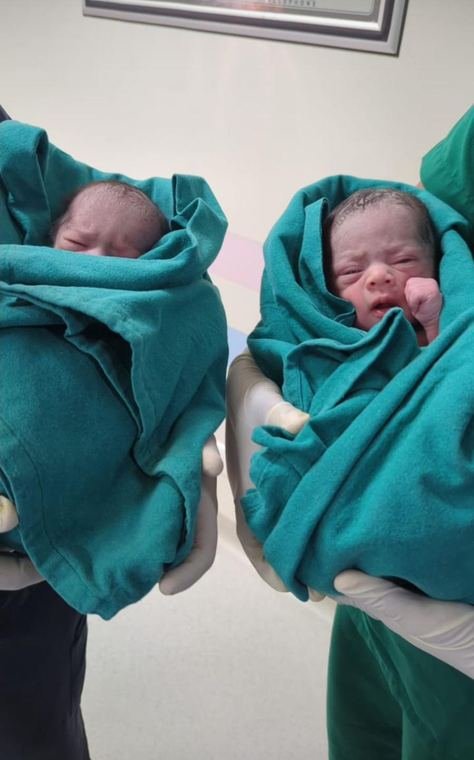
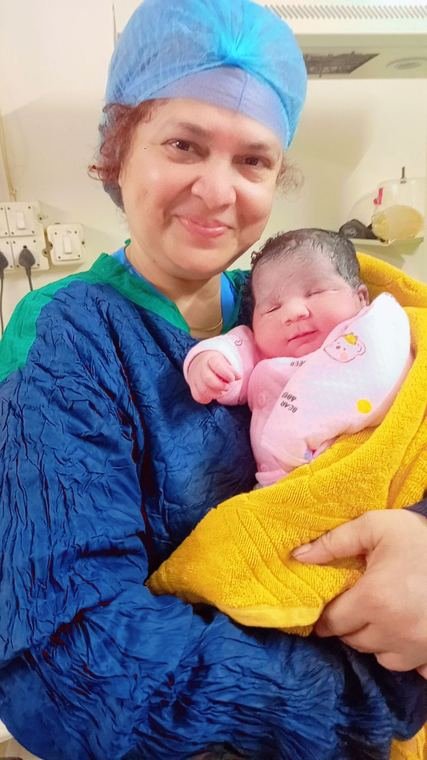
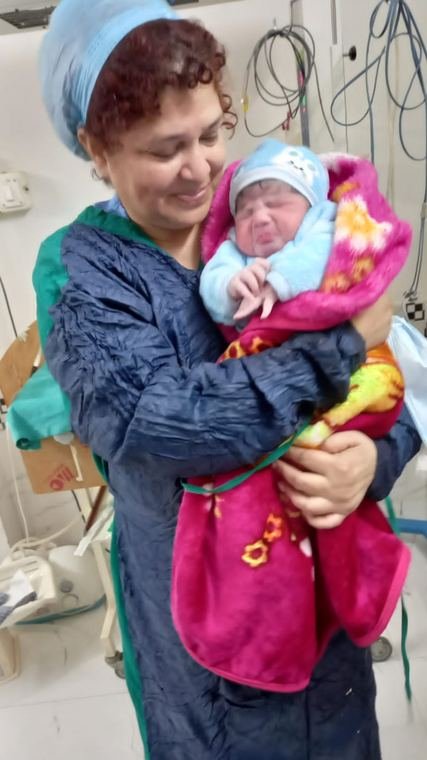
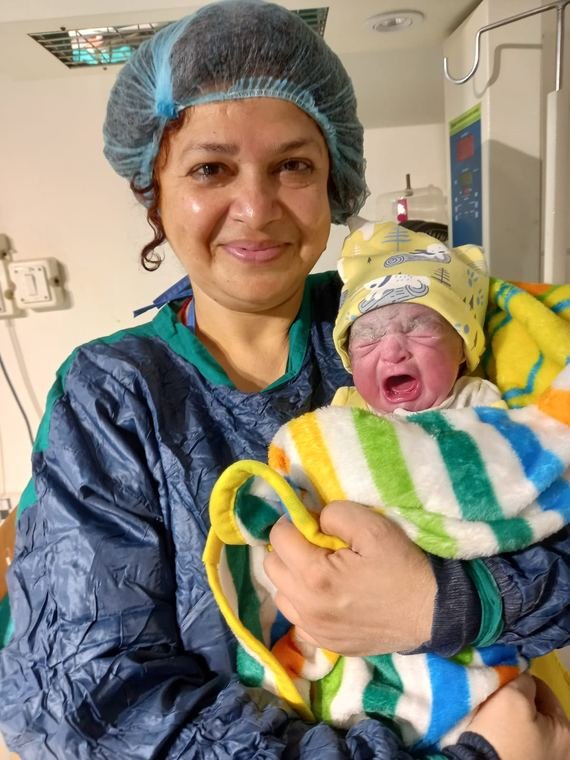
Babies born with Vinsfertility. Every couple’s treatment and cost is different.
How We Worked Out These Costs
- Price range: the total adds up the itemised parts above for a typical altruistic surrogacy in Hyderabad.
- Clinics: names and registration numbers come from the national ART registry list; the costs beside them are estimates.
- Law: checked against the Surrogacy (Regulation) Act, 2021, the Surrogacy (Regulation) Rules, 2022 and the 2024 amendment. State Appropriate Authorities are listed on the national ART and Surrogacy portal.

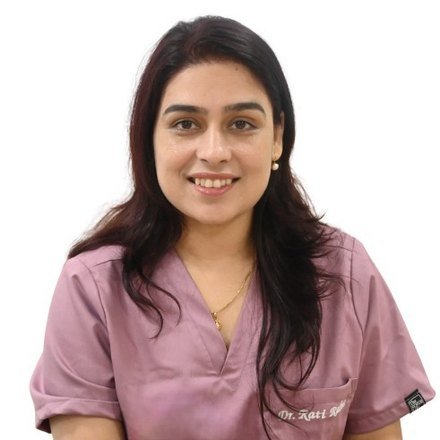
Medically reviewed by Dr. Rati Rabra
MBBS, DGO, FMAS · IVF specialist and gynaecologist, 12+ years’ experience
Reviewed and updated 30 September 2026.
Frequently asked questions
How much does surrogacy cost in Hyderabad in 2026?
About ₹15–25 lakh for one complete altruistic surrogacy journey. Most couples using their own eggs and sperm with one or two embryo transfers spend ₹17–21 lakh.
Who approves surrogacy in Telangana?
Telangana’s Appropriate Authority under the Surrogacy Act issues the eligibility and essentiality certificates, after a District Medical Board certifies the medical need.
Why is Hyderabad more expensive than Vijayawada?
Mainly hospital charges. Hyderabad’s large hospital groups charge more for pregnancy care, delivery and NICU than hospitals in smaller cities.
Is the surrogate paid in Hyderabad?
No fee is allowed. You pay her medical costs, her 36-month insurance and the other expenses allowed under the Rules.
Can we use donor eggs or sperm?
Since the February 2024 amendment, a couple may use one donor gamete if a District Medical Board certifies the medical need. At least one gamete must come from the couple.
How long does surrogacy take in Hyderabad?
Usually 16–24 months from the first consultation to the birth, including about 2–4 months for approvals.
What makes the cost go above ₹25 lakh?
Several IVF cycles, donor gametes, embryo testing, twins, complications or a long NICU stay.
How many IVF clinics are there in Hyderabad?
More than a hundred are on the national ART registry list. Fewer hold a surrogacy registration, so always ask for that number.
Sources: Surrogacy (Regulation) Act, 2021 (PRS India) · Surrogacy (Regulation) Amendment Rules, 2024 · Supreme Court of India, Vijaya Kumari S. v. Union of India (9 Oct 2025). Costs are Vinsfertility estimates for 2026.