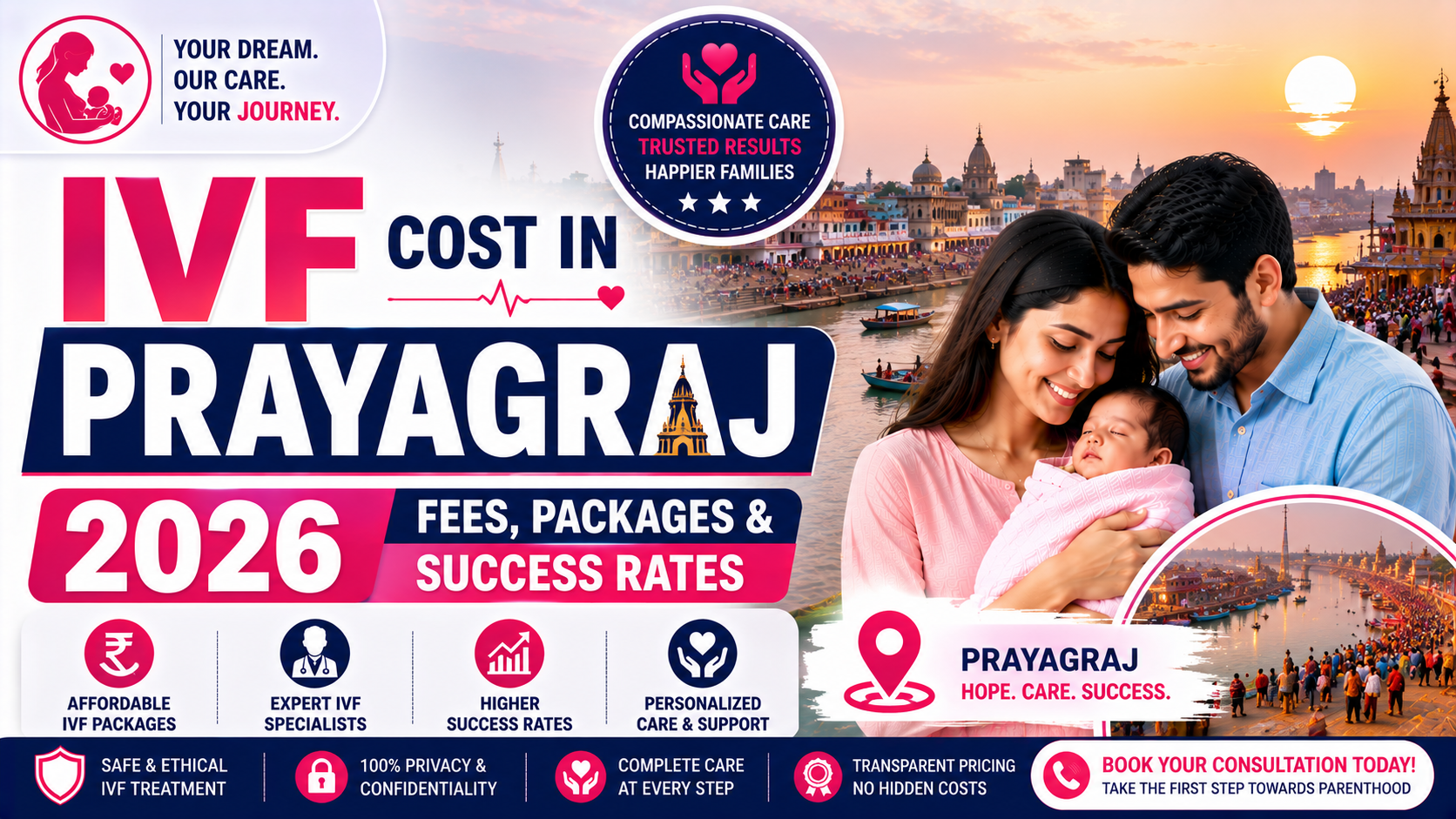
IVF Cost in Prayagraj 2026: Fees, Packages & Success Rates
What Does IVF Cost in Prayagraj in 2026?
In Prayagraj, the estimated cost for a single, basic In Vitro Fertilisation (IVF) cycle in 2026 typically ranges from ₹1,20,000 to ₹2,50,000. This range encompasses the fundamental procedures required for an IVF cycle but can vary significantly based on individual medical needs, the specific clinic, and any additional advanced techniques required. Understanding what this cost covers is essential for intending parents planning their fertility journey.
Navigating the financial aspects of fertility treatments like IVF is a primary concern for many couples. This section of Surrogacy.net.in's guide to "IVF Cost in Prayagraj 2026: Fees, Packages & Success Rates" provides a clear overview of the expected expenses for IVF in Prayagraj, detailing what a standard cycle includes and how various factors influence the final cost.
Typical Costs for Fresh vs. Frozen IVF Cycles
The overall cost of an IVF cycle can be influenced by whether a 'fresh' or 'frozen' embryo transfer is performed. A fresh IVF cycle typically involves ovarian stimulation, egg retrieval, fertilisation, and then transferring one or more embryos to the uterus within the same menstrual cycle. The estimated cost range of ₹1,20,000 to ₹2,50,000 largely pertains to such a fresh cycle.
A frozen embryo transfer (FET) cycle, on the other hand, involves transferring embryos that were created and cryopreserved in a previous IVF cycle. While the initial fresh cycle bears the full cost, a subsequent FET cycle is generally less expensive than a full fresh cycle, typically ranging from ₹30,000 to ₹80,000. This cost primarily covers embryo thawing, uterine preparation, and the transfer procedure, as the most expensive steps (stimulation and retrieval) have already occurred. Frozen embryo transfers are often preferred when there are excess embryos from a fresh cycle, or if conditions during the fresh cycle (e.g., risk of Ovarian Hyperstimulation Syndrome, suboptimal endometrial lining) are not ideal for immediate transfer. (Source: General practice, not specific to Prayagraj, but a common differential across India).
What a 'One IVF Cycle' Package Typically Includes in Prayagraj
When clinics in Prayagraj refer to the cost of 'one IVF cycle', it generally encompasses a standard set of medical procedures and services. These core components are regulated under the Assisted Reproductive Technology (Regulation) Act, 2021, and its associated Rules 2022, ensuring a baseline of ethical and procedural standards across registered ART clinics. A typical basic IVF cycle often includes:
- Initial Consultations and Counselling: Meetings with fertility specialists to assess medical history, discuss treatment options, and provide psychological support.
- Diagnostic Tests (Basic): This usually covers routine blood tests for hormonal levels, infectious diseases (e.g., HIV, Hepatitis B & C, VDRL), and basic semen analysis. More advanced diagnostics are often separate.
- Ovarian Stimulation Medications: Hormonal injections administered to stimulate the ovaries to produce multiple eggs. The specific dosage and type of medication depend on the patient's age and ovarian reserve, significantly impacting the final cost within the estimated range.
- Follicle Monitoring: Regular ultrasound scans and blood tests to monitor follicle growth and hormone levels during ovarian stimulation.
- Egg Retrieval (Oocyte Pick-up): A minor surgical procedure performed under light anaesthesia to collect eggs from the ovaries.
- Sperm Preparation: Processing of the male partner's (or donor's) sperm sample for fertilisation.
- In Vitro Fertilisation (IVF) and Embryo Culture: The process of combining eggs and sperm in the laboratory to create embryos, followed by culturing them for 3-5 days.
- Embryo Transfer: The procedure of carefully placing one or more selected embryos into the woman's uterus.
- Post-Transfer Support: Initial pregnancy test and some follow-up consultation.
It is crucial for intending parents to understand that advanced procedures such as Intracytoplasmic Sperm Injection (ICSI), Blastocyst Culture, Laser-Assisted Hatching (LAH), Preimplantation Genetic Testing (PGT), or the use of donor gametes (eggs or sperm) are typically considered add-ons and incur additional costs. These are usually not part of the basic single-cycle price quoted.
Key Takeaways
- A basic IVF cycle in Prayagraj for 2026 is estimated to cost between ₹1,20,000 and ₹2,50,000.
- Frozen embryo transfer (FET) cycles are generally less expensive (₹30,000–₹80,000) than fresh cycles as they reuse previously created embryos.
- A standard IVF cycle typically covers consultation, basic tests, ovarian stimulation, egg retrieval, fertilisation, embryo culture, and embryo transfer.
- Costs vary significantly based on individual medical needs, medication protocols, and specific clinic practices.
- Additional procedures like ICSI, PGT, or donor gametes are usually not included in the basic cycle price and will increase the overall expenditure.
Full IVF Cost Breakdown in Prayagraj (Item by Item)
Understanding the itemized costs of an In Vitro Fertilisation (IVF) cycle in Prayagraj is crucial for prospective parents. While clinics often present an overall package price, breaking down the components helps in comprehending what each part of the treatment entails and where cost variations may arise. The total cost of an IVF cycle, as mentioned, typically ranges from approximately ₹1,20,000 to ₹2,50,000 in Prayagraj for a fresh cycle, with specific charges for each step.
| Item | Estimated Range (₹) | Notes |
|---|---|---|
| Initial Consultations & Diagnostic Tests | ₹8,000 – ₹18,000 | Includes initial doctor consultations, hormone profiles, ultrasound scans, semen analysis, and infectious disease screening for both partners. |
| Ovarian Stimulation Medications | ₹40,000 – ₹80,000 | Cost varies significantly based on type of medication (branded vs. generic), dosage required, and individual patient response. |
| Ovum Pick-Up (Egg Retrieval) | ₹20,000 – ₹40,000 | Covers the procedure, operation theatre charges, embryologist fees, and basic anaesthesia. |
| Sperm Preparation | ₹5,000 – ₹10,000 | Washing and processing sperm for fertilisation. May increase if advanced techniques are needed. |
| Embryo Culture & Fertilisation | ₹25,000 – ₹50,000 | Involves creating an optimal environment for egg-sperm interaction and monitoring embryo development in the lab. |
| Embryo Transfer (Fresh Cycle) | ₹15,000 – ₹25,000 | The procedure of transferring selected embryos into the uterus. |
| Initial Embryo Freezing (Cryopreservation) | ₹15,000 – ₹30,000 | For cryopreserving surplus viable embryos for future use. This is separate from annual storage fees. |
Note: All costs are estimated indicative ranges for 2026 in Prayagraj and can vary significantly based on clinic, patient's specific medical needs, and required medication dosages. These figures are illustrative and should be verified directly with ART clinics.
Initial Consultations and Comprehensive Diagnostics
The IVF journey begins with a series of consultations and thorough diagnostic evaluations for both partners. These initial steps are essential to assess fertility status, identify any underlying medical conditions, and confirm eligibility criteria as per the ART (Regulation) Act, 2021 (in force 25 Jan 2022). Typical tests include hormonal assays, ultrasound scans, semen analysis, and screening for infectious diseases. The goal is to formulate a personalised treatment plan and estimate the required medication dosages, which directly impacts the overall cost.
Ovarian Stimulation and Egg Retrieval
Ovarian stimulation involves administering fertility medications, primarily injectable hormones, to encourage the ovaries to produce multiple mature eggs. The cost of these medications forms a substantial part of the total IVF expense, varying widely based on the specific drugs prescribed (e.g., branded gonadotropins vs. more affordable generic alternatives) and the patient's age and ovarian response, similar to trends seen in other regions like IVF Cost in Panaji 2026. Following stimulation, mature eggs are retrieved through a minor surgical procedure called Ovum Pick-Up (OPU) or egg retrieval. This procedure is performed under anaesthesia and involves ultrasound-guided aspiration of follicles to collect the eggs.
Sperm Preparation, Fertilisation, and Embryo Culture
Once eggs are retrieved, sperm is collected from the male partner and prepared in the laboratory through a process known as sperm wash to isolate healthy, motile sperm. Fertilisation then occurs, where sperm and eggs are combined in a petri dish (conventional IVF) or, if medically indicated, through Intracytoplasmic Sperm Injection (ICSI), where a single sperm is injected directly into each egg. The resulting embryos are then cultured in a specialised laboratory environment for several days (typically 3-5 days to reach the blastocyst stage) under strict monitoring by embryologists.
Embryo Transfer and Cryopreservation
After successful culture, one or more viable embryos are selected for transfer into the woman's uterus. This procedure, known as embryo transfer, is usually painless and does not require anaesthesia. Any good quality, surplus embryos remaining after the transfer may be offered for cryopreservation (freezing) for potential future use. Freezing embryos offers the advantage of subsequent Frozen Embryo Transfer (FET) cycles without needing another ovarian stimulation or egg retrieval, potentially reducing future cycle costs.
Hidden Add-On Costs and Their Implications
Beyond the core IVF cycle components, several services can incur additional charges, sometimes described as "hidden" because they are not always explicitly included in initial package quotes:
- Anaesthesia: While basic anaesthesia for egg retrieval is often bundled, specific types of anaesthesia or longer durations, if required, might be charged separately. Patients should clarify the extent of anaesthesia coverage.
- Cryopreservation and Annual Storage: The initial cost for freezing surplus embryos or gametes is distinct from the recurring annual fees for their cryo-storage. These annual storage charges accumulate for as long as the embryos/gametes are kept.
- Pregnancy Scans and Monitoring: Post-embryo transfer, follow-up blood tests (like BhCG) to confirm pregnancy and early pregnancy ultrasound scans are typically not part of the standard IVF package. These represent additional medical expenses during the initial stages of pregnancy.
- Medication Adjustments: Unforeseen medication adjustments or additional doses based on individual response during ovarian stimulation can lead to higher drug costs than initially estimated.
Key Takeaways
- The total IVF cost in Prayagraj is an aggregation of multiple individual services, not a single fixed fee.
- Ovarian stimulation medications represent a significant and variable portion of the overall IVF expense.
- Always request a detailed, itemized cost breakdown from any ART clinic to understand what is included and excluded.
- Budget for potential "add-on" expenses like annual embryo storage fees and post-transfer pregnancy monitoring.
- The ART (Regulation) Act, 2021, mandates transparency in services, advising patients to clarify all costs upfront.
IVF Package Types & What They Cover in Prayagraj
Understanding the various In Vitro Fertilisation (IVF) package types available in Prayagraj is crucial for prospective parents, as they represent different approaches to treatment and financial planning. These packages are designed to cater to diverse patient needs, from those seeking a single attempt to those requiring multiple cycles or specific advanced procedures.
Single-Cycle vs. Multi-Cycle Packages
An initial IVF treatment often begins with a single-cycle package, which typically covers one complete IVF attempt. This includes essential steps such as ovarian stimulation, egg retrieval, fertilisation (using conventional IVF), embryo culture, and a fresh embryo transfer. In Prayagraj, the estimated cost for a standard single IVF cycle broadly ranges from ₹1.2 lakh to ₹2.5 lakh, though this can vary based on individual medication requirements and clinic specifics, as discussed in the 'What Does IVF Cost in Prayagraj in 2026?' section.
For couples who may anticipate needing more than one attempt, multi-cycle packages offer a bundled approach. These packages typically include 2 to 3 IVF cycles for an upfront, often discounted, fee. The primary advantage of a multi-cycle package is the potential for significant cost savings if multiple cycles become necessary, providing financial predictability and reducing stress over repeated payments. However, it requires a larger initial investment, and a refund may not be provided if pregnancy is achieved in an earlier cycle within the package, making it essential to review the terms carefully.
Standard IVF vs. IVF+ICSI vs. FET Package Pricing
The core of an IVF package is the standard IVF procedure. However, additional techniques often accompany or follow the initial cycle, influencing the overall package cost:
- Standard IVF Package: As noted, this covers the fundamental steps of ovarian stimulation, egg retrieval, conventional fertilisation, embryo culture, and fresh embryo transfer. It is generally suitable for cases where sperm parameters are normal and fertilisation is expected without specific intervention.
- IVF+ICSI Package: Intracytoplasmic Sperm Injection (ICSI) is an advanced fertilisation method where a single sperm is directly injected into each mature egg. This procedure is commonly recommended for male factor infertility, unexplained fertilisation failure in previous IVF attempts, or when using surgically retrieved sperm. The inclusion of ICSI adds to the package cost, typically increasing the total by an estimated ₹25,000 to ₹50,000 per cycle in Prayagraj, reflecting the specialised equipment and expertise required.
- FET (Frozen Embryo Transfer) Package: A Frozen Embryo Transfer (FET) cycle involves thawing and transferring embryos that were cryopreserved from a prior fresh IVF cycle. This package is distinct from a full fresh cycle because it bypasses the ovarian stimulation and egg retrieval phases, making it a less invasive and generally more economical option for subsequent attempts. The indicative cost for an FET cycle in Prayagraj typically ranges from ₹40,000 to ₹80,000, covering embryo thawing, endometrial preparation, and the transfer procedure, but excludes initial freezing charges or long-term storage fees.
Refund and Shared-Risk Packages: What They Really Promise
Refund or shared-risk IVF packages are designed to provide a financial safety net for patients. These programmes typically involve a higher upfront payment in exchange for a commitment from the clinic to refund a significant portion, or sometimes the entire amount, if a live birth is not achieved after a predetermined number of IVF cycles (e.g., 2 or 3 attempts). This approach mitigates some of the financial risk associated with multiple unsuccessful cycles.
It is crucial to understand that these packages often come with strict eligibility criteria. Factors such as the woman's age (often < 38 years), ovarian reserve (as indicated by AMH levels), medical history, and specific diagnostic parameters are rigorously assessed. Not all patients will qualify for a refund programme. The 'guarantee' usually refers to a live birth, not just a positive pregnancy test or a clinical pregnancy, and the specific terms regarding what constitutes a 'live birth' and the conditions for a refund must be meticulously reviewed. Under the ART (Regulation) Act, 2021 (in force 25 Jan 2022) and the ART Rules, 2022, clinics offering such packages must ensure complete transparency regarding terms, conditions, and eligibility criteria to protect patient interests.
Key Takeaways
- Single-cycle packages cover one complete IVF attempt, while multi-cycle options offer 2-3 cycles for potential savings.
- Advanced procedures like ICSI significantly increase package costs due to specialised equipment and expertise.
- Frozen Embryo Transfer (FET) cycles are generally more affordable than fresh cycles, as they omit ovarian stimulation and egg retrieval.
- Refund/shared-risk packages offer financial security with a higher upfront cost but often have strict eligibility criteria and specific live-birth definitions for refunds.
- Always thoroughly review the terms and conditions of any package, especially concerning inclusions, exclusions, and refund policies, before committing.
Why IVF Costs Vary Between Prayagraj Clinics
The overall cost of In Vitro Fertilisation (IVF) treatment in Prayagraj, as in any other city, is not a fixed figure. It can fluctuate significantly between different clinics due to a combination of factors related to infrastructure, expertise, and the specific medical protocol adopted for each patient. Understanding these variables helps intending couples make informed decisions.
Impact of Clinic Experience, Lab Grade, and Embryologist Skill
One of the primary drivers of IVF cost variability stems from the quality and experience associated with the clinic's infrastructure and personnel. Established clinics with a long history of successful outcomes often invest heavily in state-of-the-art equipment and employ highly skilled professionals. This higher operational overhead can translate into higher treatment fees.
The grade of the embryology laboratory is particularly crucial. A high-grade lab features advanced technology such as sophisticated incubators, high-resolution microscopes, micromanipulation systems for procedures like ICSI, and robust air filtration systems (e.g., HEPA filters) to maintain a sterile environment. These facilities are essential for optimal embryo culture and development but require significant investment in procurement, maintenance, and regular calibration. The quality of culture media and cryopreservation techniques (like vitrification) also adds to these costs, impacting the overall package price.
Furthermore, the expertise of the embryologist is paramount to IVF success. Highly qualified and experienced embryologists are adept at handling delicate gametes and embryos, performing intricate procedures, and making critical decisions during the lab phase of IVF. The ART (Regulation) Act, 2021 (in force 25 Jan 2022), and ART Rules, 2022, lay down specific qualifications and experience criteria for ART professionals, including embryologists, to ensure a baseline standard. Clinics employing embryologists with extensive experience and proven track records will reflect this specialised skill in their service charges.
Branded vs Generic Stimulation Drugs: A Major Cost Swing
Ovarian stimulation, a critical phase of IVF where a woman's ovaries are encouraged to produce multiple eggs, represents a substantial portion of the overall treatment cost. The choice between branded and generic medications for this process can lead to one of the biggest cost differences between clinics and individual treatment plans.
Branded gonadotropin drugs, developed and marketed by multinational pharmaceutical companies, typically involve higher costs due to the significant investment in research, development, and marketing. While often perceived to offer consistent quality, their price point can be considerably higher. In contrast, generic versions of these drugs, which become available after the original patents expire, are bioequivalent to their branded counterparts but are produced at a fraction of the cost by manufacturers. India has a well-developed generic pharmaceutical industry, offering quality alternatives.
A clinic's standard practice or a physician's preference, based on past patient responses or specific medical considerations, often dictates whether branded or generic drugs are prescribed. For patients, opting for treatment plans that utilise generic stimulation drugs, where medically appropriate, can lead to a reduction of several tens of thousands of rupees in the total IVF cycle cost.
Age and Diagnosis-Driven Medication Dose Differences
Beyond the choice of branded versus generic, the specific dosage and duration of medication prescribed for ovarian stimulation are heavily influenced by the patient's age and underlying fertility diagnosis. These individualised protocols directly impact the total drug expenditure, contributing to cost variations.
Women of advanced reproductive age, generally considered above 35–40 years, often present with diminished ovarian reserve. Consequently, they may require higher doses of gonadotropins for a longer duration to stimulate the ovaries adequately, which directly increases the medication component of the IVF cost. Conversely, younger patients or those with conditions like Polycystic Ovary Syndrome (PCOS) might require lower, carefully monitored doses to prevent complications such as Ovarian Hyperstimulation Syndrome (OHSS).
Specific fertility diagnoses also play a role. Patients with low Anti-Müllerian Hormone (AMH) levels or other indicators of reduced ovarian function might need more aggressive stimulation protocols. In some cases, patients may exhibit varying responses to initial medication, necessitating mid-cycle adjustments in dosage or even changes in the type of medication, all of which can alter the final cost. Therefore, the tailored nature of fertility treatment means that medication costs are inherently variable and patient-specific.
Key Takeaways
- Clinic costs vary based on investment in lab technology, advanced equipment, and the experience level of embryologists and medical staff.
- The choice between branded and generic ovarian stimulation drugs significantly impacts overall IVF treatment expenses; generic options can lead to substantial savings.
- Individual patient factors such as age and specific fertility diagnoses dictate medication dosages, directly affecting the total drug cost for an IVF cycle in Prayagraj.
- Transparent discussion with clinics about all cost components, including medication choices and potential adjustments, is crucial for realistic budgeting.
Extra Procedures That Raise Your IVF Bill
While the base cost of In Vitro Fertilisation (IVF) in Prayagraj covers a standard cycle, many couples require or opt for additional procedures that can significantly increase the overall expenditure. These advanced techniques are often recommended based on specific infertility diagnoses, previous treatment failures, or to enhance the likelihood of a successful pregnancy. Understanding these add-ons and their associated costs is crucial for realistic financial planning. For insights into IVF expenses in other regions, you might compare this with the IVF Cost in Puducherry 2026.
Advanced Laboratory Techniques: ICSI, Laser-Assisted Hatching, and Blastocyst Culture
Several laboratory procedures can be integrated into an IVF cycle to address specific challenges, each carrying an additional charge:
- Intracytoplasmic Sperm Injection (ICSI): This procedure is typically recommended in cases of male factor infertility, such as low sperm count, poor sperm motility, or abnormal sperm morphology. Instead of allowing sperm to naturally fertilise the egg in a petri dish, a single healthy sperm is directly injected into each mature egg. ICSI generally adds an estimated ₹15,000 to ₹40,000 to the total IVF cost, reflecting the specialised equipment and expertise required.
- Laser-Assisted Hatching (LAH): Some embryos have a thicker outer shell (zona pellucida), which can make it challenging for them to 'hatch' and implant into the uterine wall. Laser-assisted hatching involves creating a small opening in this outer layer using a precise laser before embryo transfer. This technique is often considered for older women, embryos with thick zona, or previous IVF failures. The cost for LAH can range from approximately ₹10,000 to ₹25,000 per cycle.
- Blastocyst Culture: In a standard IVF cycle, embryos are often transferred on day 2 or 3 of development. Blastocyst culture involves extending this period to day 5 or 6, allowing embryos to reach the blastocyst stage. This extended culture period helps embryologists select the most viable embryos for transfer, as only the healthiest embryos typically survive to this stage. While it may reduce the number of embryos available for transfer, it often improves implantation rates per embryo transferred. The additional cost for blastocyst culture and transfer usually falls within the range of ₹15,000 to ₹35,000.
Costs Associated with Donor Gametes and Embryos
For individuals or couples unable to use their own gametes due to medical reasons, donor eggs, donor sperm, or donor embryos become necessary. The use of donor gametes in India is regulated by the Assisted Reproductive Technology (Regulation) Act, 2021, and the ART Rules, 2022, which mandate strict screening and ethical guidelines for donors, ensuring anonymity and preventing commercialisation (accessed July 2026).
- Donor Egg: Utilising donor eggs is common for women with diminished ovarian reserve, premature ovarian failure, or genetic conditions they wish to avoid passing on. The cost of a donor egg cycle is substantially higher than standard IVF because it includes the donor's medical screening, medication, egg retrieval, and compensation for their time and effort (non-commercial, as per law). In Prayagraj, an estimated cost for obtaining donor eggs can range from ₹60,000 to ₹1,50,000, in addition to the base IVF cycle charges.
- Donor Sperm: Donor sperm is used in cases of severe male infertility or for single women desiring parenthood. Sperm donation is less complex and therefore less expensive than egg donation. The indicative cost for donor sperm can range from ₹10,000 to ₹25,000 per sample, added to the IVF treatment cost.
- Donor Embryo: In situations where both partners have fertility issues or if single individuals require both egg and sperm donation, donor embryos (pre-created using donor egg and donor sperm) may be an option. This is less common but can be suitable for certain medical conditions. The cost for a donor embryo, which includes the expense of both donor gametes and the fertilisation process, can range from ₹70,000 to ₹1,80,000, plus the cost of the embryo transfer procedure.
⚠️ Updated March 2024: The 2024 amendment to the Surrogacy Rules (notified March 2024) clarifies that donor gametes are now permitted for intending couples undergoing IVF/ART procedures in specified medical conditions, replacing earlier interpretations that restricted their use. This is significant for couples needing donor assistance.
Preimplantation Genetic Testing for Aneuploidy (PGT-A)
Preimplantation Genetic Testing for Aneuploidy (PGT-A), previously known as PGS (Preimplantation Genetic Screening), is an advanced diagnostic procedure performed on embryos created during an IVF cycle. Its primary purpose is to identify embryos with the correct number of chromosomes (euploid) before transfer, thereby potentially improving implantation rates, reducing miscarriage risk, and decreasing the chance of having a baby with a chromosomal abnormality, such as Down syndrome.
The process involves a trained embryologist taking a few cells (biopsy) from the trophectoderm (which will form the placenta) of a day 5 or 6 blastocyst. These cells are then sent to a specialised genetics laboratory for analysis. Embryos are typically frozen while awaiting genetic test results. Due to the high-tech nature of the biopsy and the genetic analysis, PGT-A is a significant additional cost. The estimated cost for PGT-A in Prayagraj can range from ₹25,000 to ₹60,000 per embryo, depending on the laboratory and the number of embryos tested. This can accumulate rapidly if multiple embryos are screened.
Key Takeaways
- Advanced lab techniques like ICSI, laser-assisted hatching, and blastocyst culture are add-ons that can increase IVF costs by ₹10,000–₹40,000 per procedure.
- Utilising donor gametes (egg, sperm, or embryo) adds substantially to the bill, with donor eggs being the most expensive due to retrieval and donor care.
- Donor gamete use is strictly governed by the ART (Regulation) Act, 2021, and updated Surrogacy Rules (March 2024) permit donor gametes for IVF in specific medical conditions.
- PGT-A (Preimplantation Genetic Testing for Aneuploidy) is a costly but valuable diagnostic tool, adding ₹25,000–₹60,000 per embryo for genetic screening.
- Patients should discuss all potential add-on procedures and their full costs with their fertility specialist to create a comprehensive budget.
IVF Success Rates in Prayagraj by Age Group
Understanding the success rates of In Vitro Fertilisation (IVF) is crucial for prospective parents, especially when considering treatment in Prayagraj. While individual clinic success rates can vary, it is important to assess these against broader national and international benchmarks. The woman's age is the single most significant factor influencing IVF success, primarily due to the natural decline in egg quality and quantity over time.
In India, the Assisted Reproductive Technology (Regulation) Act, 2021 (in force 25 Jan 2022), mandates that all registered ART clinics maintain comprehensive records of treatments and their outcomes, contributing to a national registry. This framework, overseen by the Indian Council of Medical Research (ICMR), aims to promote transparency and enable a more accurate understanding of national success rates.
Indicative Live-Birth Rates Per IVF Cycle by Age
The following table provides approximate live-birth rates per IVF cycle, reflecting general trends observed across national and international data. These figures are not specific to any single clinic in Prayagraj but represent realistic expectations based on the woman's age, which is the most critical determinant of success.
| Woman's Age Group | Indicative Live-Birth Rate Per Cycle | Notes |
|---|---|---|
| Under 35 years | Approximately 40–45% | Highest success rates, often due to better egg quality and ovarian reserve. |
| 35–37 years | Approximately 30–35% | Slight decline begins; good prognosis generally maintained. |
| 38–40 years | Approximately 20–25% | More noticeable decline; increased risk of chromosomal abnormalities. |
| 41–42 years | Approximately 10–15% | Significant drop in success; higher rates of miscarriage. |
| Over 42 years | Typically 5–10% or lower | Success rates are very low with own eggs; donor eggs often recommended. |
Source: General trends based on national and international ART registry data (e.g., ASRM, ESHRE benchmarks), indicative for 2026. Individual outcomes may vary.
Realistic ICMR/National Benchmark Figures
When evaluating IVF success rates, it is crucial to focus on realistic, aggregated data rather than isolated clinic marketing claims. While specific clinic success rates can provide some insight, they often lack the broader context of patient demographics and treatment protocols. The Indian Council of Medical Research (ICMR) plays a pivotal role in guiding ART practices and encouraging transparent reporting across the country.
The ART (Regulation) Act, 2021, aims to standardize data collection and reporting, ensuring that national benchmarks become more robust and accessible. Prospective parents should seek clinics that are transparent about their live-birth rates, categorised by age, and ideally align with national averages. This approach provides a more grounded expectation of treatment outcomes, rather than being swayed by potentially optimistic or unaudited figures from individual centres.
How Success Rate Changes Cost-Per-Baby
While the cost of a single IVF cycle in Prayagraj remains relatively consistent (as discussed in the IVF Cost in Shimla 2026 section), the overall financial burden, or 'cost-per-baby,' is heavily influenced by the success rate. For women in older age groups, where the live-birth rate per cycle is lower, it often necessitates multiple IVF cycles to achieve a successful pregnancy.
For example, if a single IVF cycle costs between ₹1.2–₹2.5 lakh and the success rate for a 40-year-old woman is 20%, she might realistically require 3-5 cycles to achieve a live birth. This means the total expenditure could easily escalate to ₹3.6–₹12.5 lakh or more, before accounting for any additional procedures or medication changes in subsequent cycles. In contrast, a younger woman with a 45% success rate might achieve pregnancy in 1-2 cycles, making her 'cost-per-baby' significantly lower.
Therefore, when budgeting for IVF, it is prudent to consider the potential need for multiple cycles, especially if age or other factors suggest a lower per-cycle success rate. Understanding this dynamic helps in realistic financial planning and managing expectations throughout the fertility journey.
Key Takeaways
- The woman's age is the most critical factor influencing IVF live-birth rates, with success declining significantly after 35 years.
- Indicative live-birth rates range from approximately 40–45% for women under 35, dropping to 5–10% for those over 42.
- Always seek realistic national/international benchmark success rates (aligned with ICMR guidelines) rather than relying solely on individual clinic marketing claims.
- Lower per-cycle success rates, especially for older age groups, often translate into a higher 'cost-per-baby' due to the increased likelihood of needing multiple IVF cycles.
- Factor in the potential need for several IVF cycles when budgeting, particularly if your age or medical history suggests lower per-cycle success rates.
How to Verify an ART-Registered IVF Clinic in Prayagraj
Choosing an Assisted Reproductive Technology (ART) clinic for IVF treatment is a significant decision. In Prayagraj, as elsewhere in India, ensuring that your chosen clinic adheres to legal standards and best practices is paramount. The ART (Regulation) Act, 2021, and its associated Rules, mandate strict registration and operational guidelines for all fertility clinics. Verifying a clinic's credentials and transparency is crucial for your safety, the quality of care, and ultimately, your chances of a successful outcome.
Essential Checks for an IVF Clinic in Prayagraj
When evaluating potential IVF clinics in Prayagraj, prospective parents should prioritize several key aspects to ensure they receive ethical and high-quality care. The following table outlines critical factors to consider and their importance:
| What to Check | Why it Matters |
|---|---|
| Official ART Registration | Ensures the clinic operates legally under the ART (Regulation) Act, 2021, and is overseen by regulatory bodies, protecting patient rights. |
| National ART Registry Listing | Confirms the clinic is officially listed and compliant with national standards, allowing public verification through the government portal. |
| Accreditation & Certifications | Indicates adherence to recognized quality and safety standards beyond basic legal requirements (e.g., ISO certifications for labs). |
| Embryologist Qualifications & Experience | Expertise of the embryologist directly impacts embryo quality, development, and the success of laboratory procedures crucial to IVF. |
| Advanced Laboratory Facilities | State-of-the-art equipment and sterile conditions are essential for successful gamete handling, fertilization, and embryo culture. |
| Transparency of Success Rates | Provides realistic expectations; clinics should provide live-birth rates per cycle by age group, not just pregnancy rates, adhering to ICMR guidelines. |
| Clear Cost Breakdowns | Ensures no hidden costs, allowing for accurate financial planning. Verify what is included in packages (e.g., drugs, freezing). |
| Informed Consent Process | Guarantees that you fully understand the procedures, risks, and alternatives before consenting to treatment. |
ART (Regulation) Act, 2021 Registration and National ART Registry Listing
In India, the legal framework for ART services is governed by the ART (Regulation) Act, 2021, which came into force on January 25, 2022. This Act mandates the registration of all ART clinics and banks with the National Registry of Banks and Clinics of India. The primary goal is to regulate ART clinics and ART banks, prevent commercialization of such services, and ensure ethical practices. Any clinic operating without valid registration is doing so illegally and is subject to penal action.
To verify an ART clinic's registration status, individuals can visit the official National ART & Surrogacy Registry portal. This online database allows prospective patients to search for registered clinics and banks across India. Verifying this listing is the foundational step in ensuring the clinic's legality and adherence to national standards. The registry provides transparency and accountability, offering peace of mind to patients seeking fertility treatments.
Confirm any centre’s ART registration on the National ART & Surrogacy Registry → registry.artsurrogacy.gov.in (accessed July 2026).
Lab Facilities, Embryologist Credentials, and Success Rate Transparency
Beyond legal registration, the quality of a clinic's laboratory and the expertise of its embryology team are critical determinants of IVF success. The embryology laboratory is where the most delicate and crucial stages of IVF occur, including egg fertilization, embryo culture, and embryo selection. An advanced, well-maintained lab with stringent quality control measures significantly contributes to higher success rates.
Prospective parents should inquire about the credentials and experience of the clinic's embryologists. These specialists are responsible for handling gametes and embryos, and their skill directly impacts the viability and quality of the embryos. A highly qualified and experienced embryologist can optimize conditions for embryo development, improving the chances of a successful pregnancy.
Transparency regarding success rates is another vital factor. Clinics should provide clear, realistic success rates, specifically differentiating between pregnancy rates and live-birth rates. The Indian Council of Medical Research (ICMR) guidelines emphasize reporting live-birth rates per cycle initiated, as this is the most accurate measure of treatment success. Patients should be wary of clinics that only quote pregnancy rates (which include early miscarriages) or those with unusually high, unsubstantiated claims. Asking for success rates broken down by age group and specific conditions offers a more personalized understanding of potential outcomes, as discussed in the IVF Cost in Puducherry 2026 section on success rates.
Key Takeaways
- Always verify a clinic's current registration status on the official National ART & Surrogacy Registry portal.
- Inquire about the qualifications, certifications, and years of experience of the embryologists and other key medical staff.
- Assess the clinic's laboratory infrastructure and quality control protocols, which are vital for successful embryo development.
- Demand clear, age-specific live-birth rates, not just pregnancy rates, and compare them against national benchmarks.
- Ensure the clinic provides a transparent, itemized cost breakdown with no hidden charges, and offers a comprehensive informed consent process.
Is IVF Covered by Insurance or Any Scheme in India?
For individuals and couples considering In Vitro Fertilisation (IVF) treatment in Prayagraj, understanding the financial landscape extends beyond the direct costs of a cycle. A common question revolves around whether health insurance or government schemes offer any financial relief. The reality in India, particularly for IVF/ART treatments, requires careful consideration of current policies and available financing alternatives.
Current Insurance Stance on IVF/ART Treatment in 2026
As of 2026, most standard health insurance policies in India generally exclude fertility treatments, including IVF and other Assisted Reproductive Technology (ART) procedures. This exclusion is often detailed under specific clauses related to 'treatment for infertility' or 'procedures not deemed medically necessary' in policy documents. While some progressive or specialised policies have emerged, offering limited coverage for diagnostic fertility tests or specific pre-IVF procedures, comprehensive coverage for the entire IVF cycle, including medication, egg retrieval, embryo transfer, and associated lab costs, remains rare.
This prevailing stance aligns with general guidelines in the insurance sector, where elective treatments or those historically considered non-life-threatening are often excluded. Patients are advised to thoroughly review their specific policy documents and consult their insurance provider for clarity, as terms can vary. No national government health scheme in India currently provides widespread, direct coverage for IVF treatments for the general public.
EMI, Medical-Loan and Clinic Financing Options in Prayagraj
Given the limited insurance coverage, many individuals and couples in Prayagraj explore alternative financing options to manage IVF costs. Several avenues are typically available:
- Personal Loans for Medical Expenses: Many banks and non-banking financial companies (NBFCs) offer personal loans specifically for medical treatments. These loans often come with flexible repayment tenures and can be availed based on an individual's creditworthiness.
- Equated Monthly Installment (EMI) Options: IVF clinics in Prayagraj, similar to those in other cities, often collaborate with financial institutions to provide EMI payment plans. This allows patients to pay for their IVF cycle in installments, making the cost more manageable over time. It is crucial to understand the interest rates and terms associated with such plans.
- Dedicated Medical Loans: Some financial products are designed explicitly as medical loans, offering a streamlined application process for healthcare-related expenses. These may be offered by banks or specialised healthcare financing companies.
- Clinic-Specific Payment Plans: A few clinics might offer their own in-house payment plans or allow for staggered payments based on the stage of treatment. Enquiring about such options directly with the chosen ART clinic can be beneficial.
When considering any financing option, it is essential to compare interest rates, processing fees, and repayment schedules to choose the most suitable plan.
Cost-Saving Tips Without Compromising Cycle Quality
While managing the cost of IVF, it is vital to explore avenues for savings without compromising the quality or integrity of the treatment process. Here are some considerations:
- Strategic Medication Choices: Medication costs constitute a significant portion of an IVF cycle. Discussing with your fertility specialist about the possibility of using generic versions of ovarian stimulation drugs, where medically appropriate and safe, can lead to substantial savings. As discussed in the Why IVF Costs Vary Between Clinics section, the choice between branded and generic drugs can significantly impact the overall bill.
- Consider Multi-Cycle or Package Deals: For couples who anticipate needing more than one IVF attempt, opting for multi-cycle packages offered by clinics can be more cost-effective than paying for individual cycles. These packages often provide a discounted rate for multiple attempts, as elaborated in the 'IVF Package Types' section.
- Optimise Pre-treatment Health: Focusing on lifestyle modifications, such as maintaining a healthy weight, managing stress, quitting smoking, and following a balanced diet, can optimise overall health and potentially improve the chances of success in a single cycle. This indirectly saves costs by reducing the likelihood of needing multiple cycles.
- Thorough Diagnostic Review: Ensure all diagnostic tests are current and relevant, avoiding unnecessary repeat tests. A comprehensive review of previous medical records with your specialist can prevent redundant expenses.
- Inquire About All-Inclusive Costs: When comparing clinics in Prayagraj, ensure you receive a transparent, itemised breakdown of all costs, including potential 'hidden' charges like anaesthesia, cryo-storage, and initial pregnancy scans, to avoid unexpected expenses later.
Key Takeaways
- Most standard health insurance policies in India currently do not provide comprehensive coverage for IVF/ART treatments.
- Patients typically rely on personal medical loans, EMI options through banks or clinic tie-ups, or dedicated medical financing for IVF expenses.
- Cost-saving strategies include discussing generic medication options with your specialist and considering multi-cycle packages if multiple attempts are anticipated.
- Optimising pre-treatment health and thoroughly understanding all-inclusive costs are crucial steps to manage the financial aspects of IVF effectively.
How to Budget for IVF in Prayagraj Realistically
Embarking on an In Vitro Fertilisation (IVF) journey in Prayagraj requires not only emotional preparedness but also a pragmatic approach to financial planning. While understanding the per-cycle cost is crucial, a realistic budget accounts for various contingencies and potential needs, ensuring clarity and reducing stress throughout the treatment process.
Planning for More Than One Cycle from the Start
IVF success rates, while steadily improving, are not 100% in a single attempt. National and international data consistently show that achieving a live birth often requires multiple cycles, especially for individuals of advanced reproductive age. Therefore, a prudent financial plan should ideally budget for more than one IVF cycle from the outset, rather than assuming success with the first attempt.
Considering the cumulative success rates, many couples find it beneficial to explore multi-cycle packages offered by some clinics, as discussed in the 'IVF Package Types' section. These packages might offer a discounted rate for two or three cycles, or in some cases, a refund option if treatment is unsuccessful after a specified number of attempts. Factoring in the realistic live-birth rates, which vary significantly by age group (as detailed in the 'IVF Success Rates in Prayagraj by Age Group' section), helps in setting a more achievable financial roadmap. Planning for this eventuality helps manage expectations and alleviates financial pressure if an initial cycle does not yield the desired outcome.
Questions to Ask Before Paying Any Package Fee
Before committing to an IVF package in Prayagraj, thorough due diligence regarding costs and services included is essential. Transparency in pricing helps prevent unforeseen expenses and ensures you receive the full scope of treatment expected. Here are key questions to ask:
- What is the detailed, itemised breakdown of all costs included in the package? Ensure you receive a written list specifying every procedure, consultation, and service covered.
- What specific medications (type and dosage range) are included, and what are the potential costs for additional or higher-dose medications? Clarify if branded or generic drugs are used and their respective pricing structures.
- Are anaesthesia charges for egg retrieval included, or is it a separate fee? Anaesthesia costs can be an unexpected addition if not clarified upfront.
- What is the cost for freezing surplus embryos or gametes, and what are the annual storage fees? Understand the long-term implications of cryopreservation.
- Are there any 'hidden' or likely add-on costs such as specific blood tests, additional scans, or post-transfer support that are not covered? Refer to the 'Full IVF Cost Breakdown' section for common add-ons.
- What is the clinic's policy for cycle cancellation at different stages (e.g., before egg retrieval, after retrieval but before transfer)? Understand any refund or credit policies.
- If donor gametes (egg or sperm) or embryo biopsy for Preimplantation Genetic Testing (PGT) become necessary, what are their estimated additional costs? These procedures significantly increase the overall expense.
- What are the payment terms, schedule, and accepted methods? Clarify whether installment options or medical loan referrals are available.
Always request all pricing details and package inclusions in writing to avoid any misunderstandings. This level of clarity empowers you to make informed decisions about your financial commitment.
When to Consider Travelling to a Larger Metro Clinic
While Prayagraj offers competent IVF services, there might be specific circumstances where considering treatment in a larger metropolitan city (such as Delhi, Mumbai, or Bengaluru) could be advantageous. This decision involves weighing potential benefits against the added logistical and financial burden.
Reasons to consider a metro clinic may include:
- Advanced Laboratory Facilities and Technology: Larger metro clinics often have access to state-of-the-art embryology labs, including sophisticated equipment for procedures like advanced blastocyst culture, time-lapse imaging, or specific genetic testing techniques (PGT-A/SR/M) that might not be universally available in smaller cities.
- Specialised Expertise for Complex Cases: Patients with recurrent implantation failure, severe male factor infertility, or complex genetic conditions might benefit from clinics with highly specialised consultants and embryologists whose expertise is concentrated in larger centres.
- Broader Donor Gamete Options: Metro cities typically have larger and more diverse donor egg and sperm banks, potentially offering more choices for those requiring donor assistance under the ART (Regulation) Act, 2021 and ART Rules 2022 (notified Jan 2022, amended 2024 to permit donor gametes under specific conditions).
- Access to Specific Procedures: Certain cutting-edge or less common fertility procedures may only be performed in high-volume, well-equipped centres in major cities.
The decision to travel should factor in the added costs of travel, accommodation, and time away from work, alongside the potentially higher base costs of treatment in larger cities. For example, comparing the estimated costs in Prayagraj with those in a city like Panaji or a major metro helps in making an informed choice. Always verify a clinic's ART registration on the National ART & Surrogacy Registry (registry.artsurrogacy.gov.in) regardless of location.
Key Takeaways
- Budget for more than one IVF cycle initially, as success often requires multiple attempts; consider multi-cycle packages.
- Always ask for a detailed, itemised cost breakdown, including medications, anaesthesia, and future storage fees, before committing to any package.
- Clarify all exclusions and potential hidden costs to ensure complete financial transparency.
- Consider travelling to a larger metro clinic if your case requires highly advanced lab facilities, specialised expertise for complex conditions, or broader donor options, weighing these benefits against increased logistical costs.
- Verify any clinic's ART registration on the National ART & Surrogacy Registry regardless of its location.
Frequently Asked Questions
What is the estimated cost of IVF in Prayagraj in 2026?
What does a standard IVF package in Prayagraj typically include?
Which advanced procedures can increase the overall cost of IVF treatment?
How do IVF success rates vary for different age groups in India?
Source: American Society for Reproductive Medicine (ASRM) (Reviewed 2023)
What factors lead to differences in IVF costs between clinics in Prayagraj?
How can I verify if an IVF clinic in Prayagraj is registered under the ART Act, 2021?
Source: National ART and Surrogacy Registry (Accessed May 2024)
Is IVF treatment covered by health insurance plans or government schemes in India?
What is a typical item-by-item breakdown of expenses in an IVF cycle?
What are the age criteria for individuals seeking ART services like IVF in India?
Source: The Assisted Reproductive Technology (Regulation) Act, 2021 (In force 25 Jan 2022)
Can donor gametes be legally used for IVF treatment in India as of 2026?
⚠️ 2024 Surrogacy Rules amendment (Mar 2024) now permits donor gametes in specified medical conditions for intending couples.
Source: Ministry of Health & Family Welfare, Gazette Notification S.O. 1465(E) (21 Mar 2024)
How can prospective parents prepare a realistic budget for IVF treatment in Prayagraj?
What are the legal conditions for an intending couple to access ART services in India?
Source: The Assisted Reproductive Technology (Regulation) Act, 2021 (In force 25 Jan 2022)