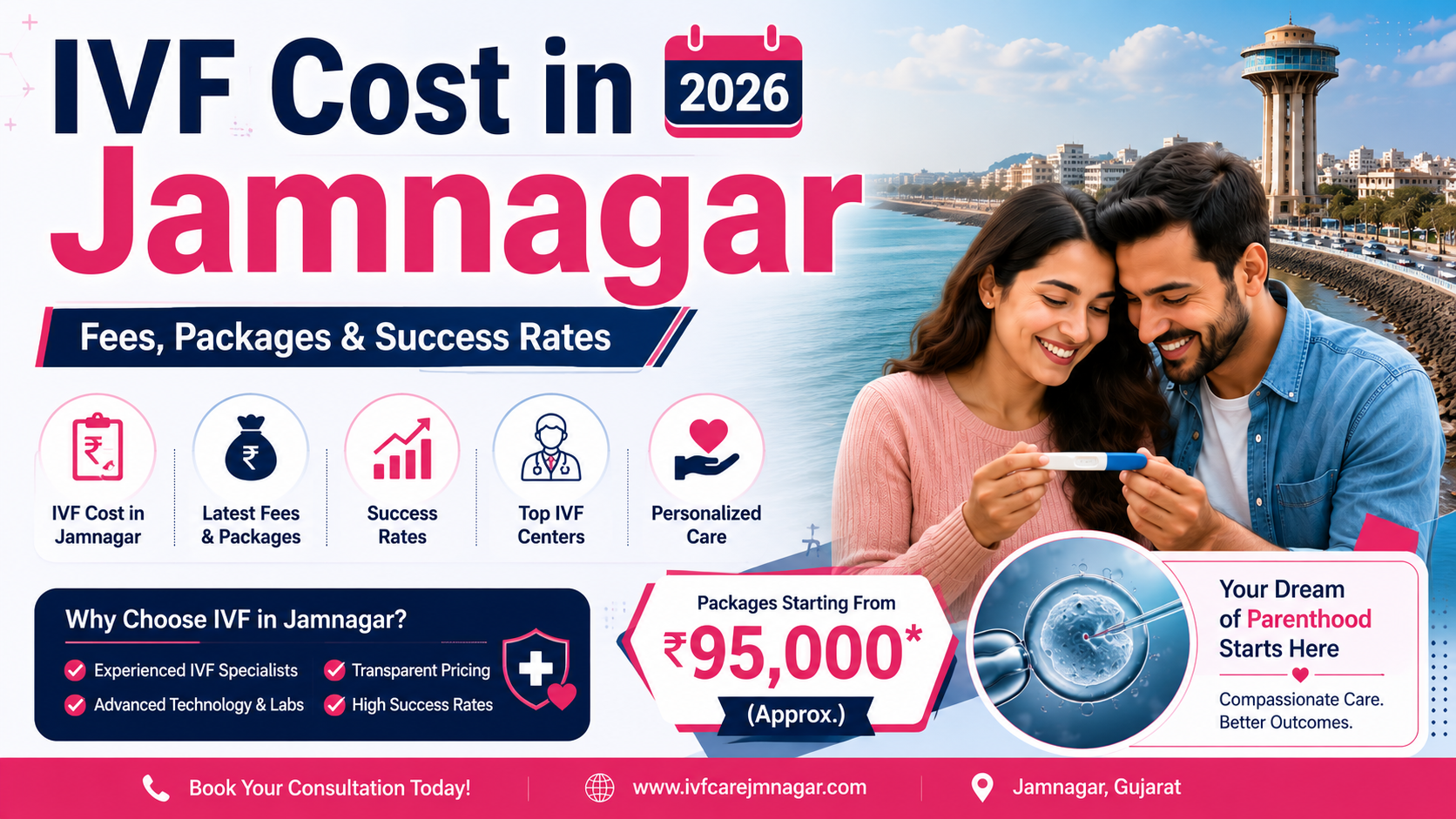
IVF Cost in Jamnagar 2026: Fees, Packages & Success Rates
What Does IVF Cost in Jamnagar in 2026?
For couples exploring fertility treatment in Jamnagar in 2026, a typical single cycle of In Vitro Fertilisation (IVF) is estimated to range broadly from ₹1,00,000 to ₹2,50,000. This indicative range on Surrogacy.net.in covers the fundamental medical procedures of a standard IVF cycle, excluding specific medications, advanced add-ons, or repeated attempts. The total cost can vary significantly based on individual medical needs and the chosen treatment protocol, forming a key aspect of the comprehensive guide on IVF Cost in Jamnagar 2026: Fees, Packages & Success Rates.
Jamnagar, a prominent city in Gujarat, offers various assisted reproductive technology (ART) services, including IVF. Understanding the financial commitment involved is crucial for individuals and couples embarking on this journey. The costs are influenced by multiple factors, ranging from the specifics of the diagnostic work-up to the type and dosage of hormonal stimulation required.
Jamnagar IVF Prices Compared to Other Cities
The cost of IVF treatment in Jamnagar generally tends to be more accessible compared to major metropolitan cities like Mumbai, Delhi, or Bengaluru, where overheads for medical infrastructure, specialist fees, and operational costs are significantly higher. When compared to other cities within Gujarat, such as Ahmedabad and Rajkot, Jamnagar's prices typically sit in a competitive mid-range. Larger cities like Ahmedabad, being major medical hubs, may offer a wider array of clinics and potentially more advanced technologies, which can sometimes lead to higher pricing structures for similar services, or a broader range of options at different price points.
This difference in pricing across urban centres is often attributed to the cost of living, clinic infrastructure, the volume of procedures performed, and the level of specialisation and technology available. Patients considering IVF often weigh these factors, balancing proximity, perceived quality, and financial implications when choosing a treatment location. It is important for prospective parents to obtain detailed quotes and understand what each package includes to make an informed decision.
What a 'Base Package' Usually Covers and Excludes
A standard or 'base package' for a single IVF cycle in Jamnagar, as across many centres regulated under the ART (Regulation) Act, 2021 (in force 25 Jan 2022), typically encompasses several core procedures. These generally include:
- Initial consultations and assessment to determine eligibility and protocol.
- Ovarian stimulation monitoring, which involves regular ultrasounds to track follicle development and blood tests to monitor hormone levels.
- The egg retrieval procedure (Oocyte Pick-Up – OPU), usually performed under mild sedation or anaesthesia.
- Sperm collection and processing.
- In-vitro fertilisation of eggs with sperm in the laboratory (conventional IVF, not usually ICSI unless specified).
- Embryo culture and monitoring for a few days (typically 3-5 days to blastocyst stage if indicated).
- Embryo transfer into the woman's uterus.
However, it is equally important to understand what a 'base package' does not usually include, as these often contribute significantly to the overall bill:
- Medications: The cost of hormonal injections and oral medications for ovarian stimulation can be substantial and are almost always a separate expense. Dosage and type vary based on individual response and diagnosis, influencing the final medication cost.
- Advanced Procedures: Techniques like Intracytoplasmic Sperm Injection (ICSI), Laser-Assisted Hatching, Preimplantation Genetic Testing (PGT-A), or Blastocyst Culture fees beyond basic culturing are typically add-ons.
- Cryopreservation and Storage: Freezing any surplus embryos for future use and their annual storage fees are separate charges.
- Donor Gametes: If donor eggs or donor sperm are required, these are additional costs, as per the Surrogacy Rules 2022 and the 2024 amendment (notified Mar 2024) that permit donor gametes in specified medical conditions.
- Anaesthesia Fees: While egg retrieval is usually performed under anaesthesia, the anaesthesiologist's fees might sometimes be itemised separately.
- Repeated Cycles: The base package covers only a single cycle. Should subsequent cycles be needed, new charges will apply.
Couples must clarify these inclusions and exclusions with their chosen ART clinic in Jamnagar. For detailed insights into specific line-item costs, refer to the IVF Cost Breakdown in Jamnagar: Every Fee Explained section of this guide. It is also advisable to understand the overall process from initial consultation to embryo transfer, which typically involves the commissioning woman aged 21-50 years and man aged 21-55 years, as per the ART (Regulation) Act, 2021.
Key Takeaways
- A typical single IVF cycle in Jamnagar for 2026 is estimated to cost between ₹1,00,000 and ₹2,50,000.
- IVF prices in Jamnagar are generally lower than in metro cities but competitive with other major cities in Gujarat like Ahmedabad and Rajkot.
- A base IVF package usually includes core procedures like egg retrieval, fertilisation, and embryo transfer, but often excludes medications and advanced add-ons.
- Always request a detailed cost breakdown to understand all potential expenses beyond the basic package before starting treatment.
IVF Cost Breakdown in Jamnagar: Every Fee Explained
Understanding the financial aspects of In Vitro Fertilisation (IVF) involves looking beyond a single headline figure. The total IVF cost in Jamnagar, like elsewhere, is a composite of several distinct components, each contributing to the overall expenditure. These costs can vary significantly based on individual patient needs, the specific treatment protocol, and the services provided by the Assisted Reproductive Technology (ART) clinic.
Itemised Cost Components for an IVF Cycle
The table below provides an estimated breakdown of the common fees associated with a standard IVF cycle. It is crucial to remember that these are indicative ranges for 2026 and actual costs may differ based on the clinic's infrastructure, expertise, and specific patient requirements.
| Item | Estimated Range (₹) | Notes |
|---|---|---|
| Initial Consultation & Diagnostics | ₹1,000 – ₹5,000 | Includes initial doctor consultation, basic physical examination, and review of medical history. |
| Hormone Tests & Ultrasounds (Monitoring) | ₹5,000 – ₹15,000 | Regular blood tests (e.g., E2, LH, Progesterone) and transvaginal ultrasounds to monitor follicular growth during stimulation. These are per cycle. |
| Ovarian Stimulation Medications | ₹70,000 – ₹1,50,000 | Cost of gonadotropins and other hormonal injections. Varies significantly based on dosage, duration, and individual ovarian response. |
| Egg Retrieval Procedure (including Anaesthesia) | ₹30,000 – ₹60,000 | Surgical procedure to collect eggs from the ovaries. Includes charges for the procedure room, surgeon's fee, and anaesthesiologist's fee. |
| Sperm Preparation | ₹5,000 – ₹10,000 | Processing of the male partner's sperm sample for fertilisation. |
| Embryo Culture & Fertilisation (Lab Charges) | ₹40,000 – ₹80,000 | Maintenance of a controlled laboratory environment for egg and sperm fertilisation, and subsequent embryo development. This includes the embryologist's expertise and consumables. |
| Embryo Transfer | ₹20,000 – ₹40,000 | Procedure to transfer viable embryos into the woman’s uterus. |
| Post-Transfer Medications | ₹5,000 – ₹15,000 | Hormonal support (e.g., progesterone) administered after embryo transfer to aid implantation. |
Note: These costs are indicative estimates for Jamnagar in 2026 and may vary based on clinic, specific patient needs, and any complications. Patients should obtain a detailed cost breakdown directly from their chosen ART clinic.
Detailed Explanation of Key IVF Cost Elements
Consultation, Ultrasounds, and Hormone Tests
The IVF journey typically commences with an initial consultation. This involves a fertility specialist reviewing medical histories, performing physical examinations, and discussing potential treatment pathways. Diagnostic tests, including baseline blood tests (such as FSH, LH, AMH, TSH) and transvaginal ultrasounds, are crucial for assessing ovarian reserve and uterine health. Throughout the ovarian stimulation phase, regular hormone tests and ultrasounds are conducted to monitor the growth of follicles and determine the optimal timing for egg retrieval. These monitoring cycles are essential to minimise risks and maximise the chances of successful egg collection.
Stimulation Medications and Anaesthesia
Ovarian stimulation is a cornerstone of IVF, involving the administration of gonadotropin injections to encourage multiple eggs to mature. The cost of these medications forms a significant portion of the total bill, as dosages and duration vary widely based on the individual's age, ovarian response, and specific protocol. Following successful follicular development, the egg retrieval procedure is performed under light sedation or general anaesthesia to ensure patient comfort. The anaesthesia charges are typically bundled within the egg retrieval fee or listed as a separate line item, depending on the clinic's billing practices.
Egg Retrieval, Embryo Culture, and Transfer
The egg retrieval procedure is a minor surgical intervention where a thin needle, guided by ultrasound, collects mature eggs from the ovaries. These eggs are then transported to the embryology laboratory where they are fertilised with sperm – either through conventional IVF (where sperm and eggs are combined in a petri dish) or Intracytoplasmic Sperm Injection (ICSI), where a single sperm is injected directly into each egg. The resulting embryos are cultured for several days, typically until the blastocyst stage, under controlled conditions in specialised incubators. Finally, one or more selected embryos are transferred to the woman’s uterus in the embryo transfer procedure, a relatively simple, non-surgical step aiming for implantation.
Understanding Lab Charges
Beyond the direct medical procedures, 'lab charges' encompass the extensive resources and highly skilled personnel required for the embryology work. These charges typically cover the use of advanced laboratory equipment, specialised culture media for eggs and embryos, and the critical expertise of embryologists who perform fertilisation, embryo grading, and preparation for transfer. The quality and technology of the embryology lab, which must comply with the ART (Regulation) Act, 2021, significantly influence treatment outcomes and are reflected in these fees.
Key Takeaways
- IVF cost in Jamnagar is not a single price but a sum of distinct medical and laboratory services.
- Core components include initial consultations, diagnostic tests, stimulation medications, egg retrieval, embryo culture, and embryo transfer.
- Medication costs are highly variable, often being the largest individual expense, dependent on patient response and protocol.
- Anaesthesia for egg retrieval is typically included within the procedure cost or as a specific line item.
- Lab charges cover essential embryology services, equipment, consumables, and the expertise of skilled embryologists.
- Always request a transparent, itemised cost breakdown from your chosen ART clinic to understand all potential expenses.
IVF Packages in Jamnagar: Single Cycle vs Multi-Cycle Plans
When considering In Vitro Fertilisation (IVF) treatment in Jamnagar, prospective parents will encounter various financial structures, primarily categorised into single-cycle plans and multi-cycle or bundled packages. Understanding the differences between these options is crucial for financial planning and managing expectations throughout the fertility journey.
Single Cycle vs. Multi-Cycle Bundled Plans
A single IVF cycle plan typically encompasses one complete round of treatment, starting from ovarian stimulation and egg retrieval, through to embryo culture and a single fresh embryo transfer. This approach is often chosen by individuals or couples who may have a higher prognosis for success on their first attempt or those who prefer to proceed one step at a time, evaluating their progress before committing to further cycles.
In contrast, multi-cycle bundled packages, sometimes referred to as 2-cycle or 3-cycle plans, offer a pre-paid option covering multiple fresh IVF cycles or a combination of fresh and subsequent frozen embryo transfers (FETs). The primary advantage of these packages is often a reduced cost per cycle compared to paying for each cycle individually, offering a degree of financial predictability. These plans are generally suitable for patients who anticipate needing more than one attempt to achieve pregnancy, based on factors such as age, ovarian reserve, or specific medical diagnoses.
While some international clinics offer 'refund' or 'guarantee' plans (where a portion of the fee is refunded if a live birth is not achieved after a specified number of cycles), these are less commonly found in India. This is largely due to the regulatory framework established by the ART (Regulation) Act, 2021, and its accompanying rules, which emphasise the ethical and non-commercial aspects of ART services. Any such offerings would require careful scrutiny to ensure compliance with the Act's provisions and transparent communication of success criteria and refund conditions. Patients should thoroughly review any contractual agreements for bundled packages, paying close attention to what constitutes a 'cycle' and the specific services included.
Understanding 'All-Inclusive' IVF Packages: Hidden Exclusions to Check
The term 'all-inclusive' package can sometimes be misleading in the context of IVF treatment. While these packages aim to simplify billing, they rarely cover every potential expense that might arise during an IVF journey. A truly comprehensive understanding requires looking beyond the headline price.
Typically, an 'all-inclusive' base package in Jamnagar might cover:
- Initial consultations and counselling sessions.
- Monitoring ultrasounds and basic hormone tests during the stimulation phase.
- Egg retrieval procedure, including anaesthesia.
- Embryo culture and preparation in the laboratory.
- A single fresh embryo transfer.
However, it is vital to inquire about specific exclusions that could significantly impact the final cost. Common exclusions often include:
- Medications: Ovarian stimulation drugs, hormone injections, and other necessary medications (e.g., progesterone support) are frequently billed separately. These can constitute a substantial portion of the overall cost, as dosages vary per patient.
- Advanced Diagnostic Tests: Initial and pre-cycle diagnostic procedures such as detailed hormonal profiles, genetic screening for the couple, hysteroscopy, or advanced semen analysis (e.g., DNA fragmentation index) are usually not included.
- Add-on Procedures: Techniques like Intracytoplasmic Sperm Injection (ICSI), Laser-Assisted Hatching (LAH), or Preimplantation Genetic Testing (PGT-A/PGT-M) are almost always considered add-ons and incur additional fees.
- Cryopreservation and Storage: The freezing of surplus embryos or sperm, and subsequent annual storage fees, are typically separate charges.
- Frozen Embryo Transfer (FET) Cycles: If a fresh transfer is unsuccessful, or if a 'freeze-all' approach is adopted, a subsequent FET cycle will involve distinct preparation and transfer costs.
- Donor Gametes: Use of donor eggs or donor sperm, if medically indicated and legally permissible under the ART Act 2021 and its 2024 amendment (allowing donor gametes in specified conditions), comes with significant additional costs.
- Complications: Any unforeseen medical complications, extended hospital stays, or treatments for conditions like Ovarian Hyperstimulation Syndrome (OHSS) are generally not covered.
Before committing to any package, it is advisable to request a detailed, itemised breakdown of all potential costs, including those likely to be incurred as add-ons. This proactive approach helps in setting realistic financial expectations for the entire IVF process. For a more detailed look at individual costs, see the breakdown in the “IVF Cost Breakdown in Jamnagar: Every Fee Explained” section of this blog.
Freeze-All, Frozen Embryo Transfer (FET), and Embryo Storage Add-on Fees
Modern IVF protocols often involve cryopreservation (freezing) of embryos, offering greater flexibility and safety. Understanding the associated costs for these procedures is essential:
- Freeze-All Cycles: A 'freeze-all' approach is increasingly common, where all viable embryos created during a fresh IVF cycle are cryopreserved instead of performing a fresh embryo transfer. This strategy may be recommended to minimise the risk of Ovarian Hyperstimulation Syndrome (OHSS), allow the uterine lining to be optimally prepared in a subsequent cycle, or facilitate preimplantation genetic testing. While a freeze-all means avoiding a fresh transfer fee, it introduces the costs of cryopreservation and a subsequent Frozen Embryo Transfer (FET).
- Frozen Embryo Transfer (FET): An FET cycle involves preparing the uterus for implantation, thawing one or more previously cryopreserved embryos, and transferring them. The cost of an FET is typically lower than a full fresh IVF cycle as it bypasses the ovarian stimulation and egg retrieval stages. However, it still includes consultation, monitoring, embryo thawing, laboratory preparation, and the transfer procedure itself.
- Embryo Storage Fees: After cryopreservation, embryos are stored in specialised cryotanks. There is an initial fee for the cryopreservation process itself, followed by periodic (often annual) storage fees. The ART (Regulation) Act, 2021, mandates specific guidelines for the storage and disposition of gametes and embryos, requiring informed consent from the commissioning couple for the duration of storage. Patients should clarify the initial included storage period (if any) and the recurring costs beyond that, as these fees can accumulate over time if embryos are stored for several years. For guidance on comparing costs in other regions, you may wish to refer to our guide on IVF cost in Bhavnagar.
Key Takeaways
- Single IVF cycles offer a pay-as-you-go approach, while multi-cycle packages provide potential cost savings for multiple attempts.
- 'All-inclusive' packages usually do not cover all potential expenses; always request a detailed, itemised list of inclusions and exclusions.
- Common exclusions include medications, advanced diagnostic tests, ICSI/PGT, cryopreservation, and frozen embryo transfer cycles.
- Freeze-all cycles, Frozen Embryo Transfer (FET), and annual embryo storage incur separate, distinct costs beyond a fresh IVF cycle.
- Carefully review all terms and conditions of any package, especially regarding what constitutes a full cycle and how exclusions are billed.
Add-On Costs That Increase Your IVF Bill
While a basic IVF cycle in Jamnagar covers the core procedures, many patients require or choose additional treatments and services. These 'add-ons' can significantly increase the overall IVF bill, depending on individual medical needs, age, and previous treatment outcomes. Understanding these potential extra costs is crucial for financial planning during an IVF journey.
Advanced Laboratory Techniques and Their Impact
Several advanced laboratory techniques can be integrated into an IVF cycle to potentially improve outcomes, each contributing to the total cost:
- Intracytoplasmic Sperm Injection (ICSI): This procedure involves directly injecting a single sperm into each egg. It is primarily recommended for cases involving male factor infertility (e.g., low sperm count or motility), previous fertilisation failures with conventional IVF, or when using frozen sperm. ICSI typically adds an estimated ₹15,000–₹35,000 to the cost of an IVF cycle.
- Laser-Assisted Hatching (LAH): LAH is a micromanipulation technique where a small opening is created in the outer shell (zona pellucida) of the embryo using a laser, intended to assist the embryo in hatching and implanting into the uterine wall. It may be considered for women of advanced maternal age, those with embryos having a thick zona pellucida, or after previous implantation failures. The cost for LAH generally ranges from an estimated ₹8,000–₹18,000.
- Blastocyst Culture: Instead of transferring embryos at the 2-3 day cleavage stage, blastocyst culture involves growing embryos in the laboratory for 5-6 days until they reach the blastocyst stage. This extended culture allows for better embryo selection, as only the most robust embryos typically develop to this stage, potentially leading to higher implantation rates. While some advanced IVF packages may include this, it can also be an add-on, increasing lab fees by an estimated ₹10,000–₹25,000, due to the additional resources and expertise required for extended culture.
Genetic Screening and Donor Gametes
More complex scenarios may necessitate genetic testing or the use of donor gametes, which introduce substantial additional costs:
- Preimplantation Genetic Testing for Aneuploidies (PGT-A): PGT-A involves testing embryos for chromosomal abnormalities before transfer. This is typically recommended for couples with advanced maternal age, recurrent miscarriages, multiple failed IVF cycles, or a history of chromosomal disorders. The process requires a biopsy of the embryo, followed by genetic analysis, and can add an estimated ₹40,000–₹80,000 for a batch of embryos, plus the cost of embryo biopsy.
- Donor Eggs or Donor Sperm: When a couple cannot use their own gametes due to medical reasons, donor gametes can be an option. The ART (Regulation) Act, 2021, and ART Rules, 2022, govern the use of donor gametes in India, mandating strict screening and informed consent processes.
- Donor Sperm: The cost for donor sperm, including donor screening and procurement from a registered ART bank, typically ranges from an estimated ₹10,000–₹25,000, in addition to the IVF cycle cost.
- Donor Eggs: Utilising donor eggs is significantly more expensive due to the medical procedures involved for the donor, including ovarian stimulation and egg retrieval, as well as their screening and altruistic compensation for medical expenses as per legal guidelines. This can add an estimated ₹1,00,000–₹2,50,000 or more to the overall treatment cost, excluding the IVF cycle for the recipient.
- Surrogacy Add-ons: It is important to note that surrogacy is a distinct and comprehensive treatment pathway governed by the Surrogacy (Regulation) Act, 2021 (in force 25 Jan 2022), not simply an 'add-on' to an IVF cycle. While IVF is an integral part of the surrogacy process, the costs associated with altruistic surrogacy are substantial and include expenses for the surrogate's medical procedures, legal fees, insurance, and other support as stipulated by law. ⚠️ Updated Mar 2024: The 2024 amendment to the Surrogacy Rules now permits the use of donor gametes in specified medical conditions for altruistic surrogacy, replacing an earlier blanket ban, which can impact the overall cost structure for couples requiring this option.
Managing Future Cycles and Storage
The IVF journey often involves more than a single fresh cycle. Planning for future use of embryos and repeat treatments also incurs additional costs:
- Repeat Cycles: If the first fresh IVF cycle is unsuccessful, a couple may need to undergo another full fresh cycle. While some clinics offer multi-cycle packages at a reduced per-cycle rate, each full cycle will incur the primary IVF costs again.
- Cryopreservation Renewal: After a fresh cycle, any unused viable embryos can be cryopreserved (frozen) for future use. The initial cost for embryo cryopreservation typically ranges from an estimated ₹10,000–₹25,000. Subsequently, an annual or biennial fee is charged for the storage of these embryos, which can be an estimated ₹5,000–₹15,000 per year.
- Frozen Embryo Transfer (FET) Charges: When a couple decides to use their cryopreserved embryos, a Frozen Embryo Transfer (FET) cycle is performed. This involves preparing the uterus for implantation, thawing the embryos, and transferring them. An FET cycle is generally less expensive than a full fresh IVF cycle but still carries distinct costs for thawing, embryo preparation, and the transfer procedure, typically ranging from an estimated ₹25,000–₹50,000, in addition to any cryopreservation renewal fees. For more details on various IVF package options, refer to the IVF Packages in Jamnagar section of this guide. You can also explore IVF costs in other regions, such as IVF cost in Bhavnagar, for a broader comparison.
Key Takeaways
- Advanced lab techniques like ICSI, LAH, and blastocyst culture are elective add-ons that can significantly increase IVF costs based on medical necessity.
- Genetic screening (PGT-A) and the use of donor gametes (sperm or eggs) are substantial additional expenses, governed by strict Indian ART regulations.
- Surrogacy is a distinct, legally regulated pathway with its own set of significant costs, separate from typical IVF add-ons.
- Ongoing costs include annual fees for cryopreservation (embryo storage) and separate charges for subsequent frozen embryo transfer (FET) cycles.
- Factor in potential repeat fresh IVF cycles when budgeting, as many journeys require more than one attempt.
What Determines Your Final IVF Price in Jamnagar?
The overall investment required for In Vitro Fertilisation (IVF) in Jamnagar, as with any medical procedure, is not a fixed sum. Several variables profoundly influence the final expenditure, extending beyond the base package price. Understanding these factors is crucial for individuals and couples planning their IVF journey, enabling more informed financial preparation.
Age, Ovarian Reserve, and Diagnosis Affecting Medicine Dosage
A primary determinant of IVF cost is the medication protocol, which is highly individualised based on the patient's specific physiological profile. A woman's age is a significant factor, as ovarian response to stimulation generally declines with advancing age. Younger women often respond well to standard doses of ovarian stimulation medications, while older women, or those with diminished ovarian reserve, may require higher doses, longer stimulation periods, or a different combination of gonadotropins to recruit an adequate number of follicles. This directly impacts the cost of pharmaceutical agents, which constitute a substantial part of an IVF cycle's expense.
Ovarian reserve, assessed through tests like Anti-Müllerian Hormone (AMH) levels and Antral Follicle Count (AFC), provides critical insight into a woman's potential egg yield. A low ovarian reserve often necessitates more aggressive or extended medication regimens, leading to higher drug costs. Conversely, conditions like Polycystic Ovary Syndrome (PCOS) may require careful monitoring and specific protocols to prevent Ovarian Hyperstimulation Syndrome (OHSS), which can also influence the type and quantity of medications prescribed.
Furthermore, the underlying diagnosis for infertility, such as endometriosis, tubal factor infertility, or male factor infertility, guides the tailored treatment approach. While some diagnoses might only require standard IVF, others could benefit from specific drug protocols or additional procedures, further influencing the total medication bill.
Number of Cycles and Fresh vs. Frozen Embryo Transfer Choice
The journey to conception via IVF often requires more than one cycle. The probability of success per single cycle varies, and many patients may undergo multiple cycles to achieve a live birth. Each additional full IVF cycle or subsequent frozen embryo transfer (FET) incurs separate costs, significantly escalating the total financial outlay. Clinics often provide multi-cycle packages, as discussed in the 'IVF Packages' section, which can offer a cost-effective option for those likely to need more than one attempt.
The choice between a fresh embryo transfer and a frozen embryo transfer also impacts the cost. A fresh transfer typically occurs within the same cycle as egg retrieval and fertilisation. In contrast, a frozen embryo transfer involves an additional process of cryopreservation (freezing) of embryos from a previous cycle, followed by their thawing and transfer in a subsequent cycle. While the initial IVF cycle cost includes the fresh transfer, choosing to freeze all viable embryos (a 'freeze-all' approach) or performing a subsequent FET incurs additional charges for freezing, storage, and the FET procedure itself. This choice is often medically guided, for instance, to mitigate OHSS risk, improve endometrial receptivity, or after preimplantation genetic testing (PGT).
Clinic Tier, Embryologist Experience, and Lab Technology
The choice of IVF clinic in Jamnagar plays a pivotal role in the final price, largely due to variations in clinic tier, the experience of its embryologists, and the sophistication of its laboratory technology. High-tier clinics, often equipped with state-of-the-art embryology labs and advanced diagnostic tools, may charge more due to their significant investment in infrastructure and technology. These advanced facilities can include features like time-lapse embryo imaging, advanced culture media, and highly controlled environmental conditions, all of which aim to optimise embryo development and selection, potentially improving success rates.
The expertise and experience of the embryology team are paramount. Highly skilled embryologists are crucial for critical steps such as egg retrieval, fertilisation (including ICSI), embryo culture, and cryopreservation. Their proficiency directly impacts the quality and viability of embryos, which can influence the number of cycles required. Clinics employing seasoned embryologists and adhering to stringent quality control standards, as stipulated by the ART (Regulation) Act, 2021 (in force 25 Jan 2022) and ART Rules 2022, often reflect this specialisation in their pricing. Investing in a clinic with proven expertise and robust laboratory infrastructure is often viewed as investing in higher chances of success, though it typically correlates with a higher overall treatment cost.
Key Takeaways
- IVF medication costs are highly variable, determined by age, ovarian reserve, and specific infertility diagnosis.
- The number of IVF cycles needed and the choice between fresh or frozen embryo transfer significantly impact total expenses.
- Clinic pricing reflects its infrastructure, laboratory technology, and the experience level of its embryologists.
- Patients should anticipate individualised costs based on their unique medical profile and treatment plan.
IVF Success Rates in Jamnagar by Age Group
Understanding IVF success rates is crucial for individuals and couples embarking on fertility treatment. These rates are not static; they vary significantly based on multiple factors, with female age being one of the most prominent determinants. While specific, localised success rates for Jamnagar are not uniformly compiled or publicly available, general trends observed globally and across India provide a realistic expectation. The data typically reflects the live birth rate per embryo transfer cycle using the patient's own eggs.
The National ART Registry, established under the ART (Regulation) Act, 2021 (in force 25 Jan 2022), aims to collect and publish such data centrally, which will provide more precise Indian statistics in the future.
Age Band (Female) Indicative Live Birth Rate per Embryo Transfer Cycle* Key Factor Influencing Success Under 35 years ~40-50% Higher egg quality and quantity, lower incidence of chromosomal abnormalities. 35-37 years ~30-40% Good ovarian reserve, but egg quality may begin to decline. 38-40 years ~20-30% Diminished ovarian reserve, increased chromosomal abnormalities in eggs. 41-42 years ~10-15% Significant decline in egg quality and quantity, higher risk of miscarriage. Over 42 years <10% Very low ovarian reserve, significantly reduced egg quality, higher rate of non-viable embryos. *These are general indicative ranges for live birth rates per fresh non-donor embryo transfer cycle, based on broad international and national trends (e.g., as reported by ASRM, ESHRE, or ICMR guidelines). Individual results may vary based on specific clinical factors, treatment protocols, and clinic expertise. These rates are not specific to Jamnagar clinics but represent general medical expectations. Realistic Per-Cycle vs. Cumulative Success Expectations
It is important to differentiate between the success rate of a single IVF cycle and the cumulative success rate over multiple cycles. The figures presented in the table above typically represent the live birth rate from a single fresh embryo transfer. For many patients, achieving pregnancy requires more than one attempt.
Cumulative success rates significantly improve with additional cycles. For instance, while a single cycle for a woman under 35 might have a 40-50% live birth rate, undergoing two or three cycles could increase the cumulative chance of live birth to 60-70% or higher. This is why many clinics offer multi-cycle packages, as discussed in the IVF Packages in Bhavnagar section of related articles. Factors such as a good response to ovarian stimulation, the number of eggs retrieved, and the quality of embryos available for transfer or freezing all contribute to the potential for cumulative success.
How to Read a Clinic's Success-Rate Claims: Live Birth vs. Pregnancy Rate
When evaluating IVF clinics, patients often encounter various terms related to success rates. It is crucial to understand the distinction between 'pregnancy rate' and 'live birth rate', as these can be misleading if not properly interpreted:
- Pregnancy Rate: This typically refers to a positive pregnancy test (detection of hCG hormone in blood or urine) or a clinical pregnancy (visualisation of a gestational sac with a heartbeat on ultrasound, usually around 6-7 weeks of gestation). While a positive pregnancy test is encouraging, it does not guarantee a live birth. Early miscarriages can occur, especially in cycles involving older maternal age or embryos with chromosomal abnormalities.
- Live Birth Rate: This is the most accurate and medically significant measure of IVF success. It represents the percentage of treatment cycles that result in the birth of at least one living child. This metric accounts for miscarriages, ectopic pregnancies, and stillbirths. Reputable fertility societies, such as the American Society for Reproductive Medicine (ASRM) and the European Society of Human Reproduction and Embryology (ESHRE), emphasize reporting live birth rates for transparency and to provide patients with realistic expectations.
Prospective parents should always ask for a clinic's live birth rates, preferably broken down by age group and factors like fresh vs. frozen embryo transfers, and use of donor eggs/sperm. Verifying these statistics and the clinic's overall registration status on the National ART & Surrogacy Registry (registry.artsurrogacy.gov.in) is a vital step in choosing a facility.
Key Takeaways
- IVF success rates are highly dependent on the female partner's age, with rates generally decreasing significantly after the age of 35.
- Cumulative success rates over multiple IVF cycles are typically higher than the success rate of a single cycle.
- Always seek a clinic's 'live birth rate' rather than 'pregnancy rate' to understand the true likelihood of taking home a baby.
- General success rates are indicative; individual outcomes can vary based on specific medical conditions and treatment responses.
- The National ART Registry aims to provide comprehensive national data on IVF success rates in India, enhancing transparency for patients.
How to Verify a Registered IVF Clinic in Jamnagar
Choosing an In Vitro Fertilisation (IVF) clinic is a significant decision for individuals and couples seeking fertility treatment. Given the emotional and financial investment involved, it is crucial to thoroughly verify the credentials, adherence to regulations, and operational standards of any clinic in Jamnagar before commencing treatment. This due diligence ensures the clinic operates legally and maintains high medical quality standards, offering reassurance about the care received.
What to Check When Verifying an IVF Clinic
Understanding the critical aspects of an IVF clinic's operation and regulatory compliance can guide your verification process. The table below outlines key factors and their importance.
What to Check Why it Matters ART (Regulation) Act, 2021 Registration Mandatory for all Assisted Reproductive Technology (ART) clinics in India. Ensures legal operation and compliance with national standards set by the government. National ART Registry Listing Verification on the official government registry confirms the clinic's legitimate registration status. Unlisted clinics operate illegally. Embryology Laboratory Accreditation/Standards Indicates adherence to strict quality control, hygiene, and technological benchmarks essential for successful embryo handling and culture. Embryologist Qualifications & Experience Expertise of the embryologist directly impacts gamete and embryo quality, which is vital for treatment success rates. Cycle Volume & Experience While not the sole factor, a clinic with established experience in a high number of cycles often signifies operational efficiency and expertise. Transparent Pricing & Service Breakdowns Clear cost structures prevent hidden fees and allow for informed financial planning, respecting the financial commitment of patients. Patient Reviews & Testimonials Provides insights into patient experience, clinic communication, and overall quality of care, though individual results vary. Infrastructure & Technology Modern equipment and well-maintained facilities are crucial for advanced ART procedures and patient comfort. Table: Key aspects for verifying an IVF clinic and their significance.
ART (Regulation) Act 2021 Registration and National ART Registry Listing
The foremost step in verifying an IVF clinic in Jamnagar, or anywhere in India, is to confirm its registration under the Assisted Reproductive Technology (Regulation) Act, 2021. This landmark legislation, which came into force on January 25, 2022, along with the ART (Regulation) Rules 2022, governs all ART clinics and banks across the country. Its primary objective is to regulate and supervise ART clinics and ART banks, prevent misuse, and ensure ethical practices.
Under this Act, every ART clinic and ART bank must be registered with the National Registry of Banks and Clinics of India. This registry is maintained by the National Assisted Reproductive Technology and Surrogacy Board. Operating an ART clinic without valid registration is a punishable offense. Therefore, prospective patients should always check the official National ART & Surrogacy Registry (registry.artsurrogacy.gov.in) to confirm a clinic's legitimate status (accessed July 2026).
An unregistered clinic not only operates illegally but also might not adhere to the prescribed standards for equipment, personnel, ethical guidelines, and patient safety, putting patients at potential risk. Verifying this registration offers a foundational layer of trust and legal compliance for any fertility treatment.
Embryology Lab Standards, Embryologist Credentials, and Cycle Volume
Beyond legal registration, the quality of a clinic's embryology laboratory and the expertise of its staff are paramount for IVF success. The embryology lab is where critical procedures like egg fertilisation, embryo culture, and cryopreservation take place. High standards within this environment directly influence the viability and development of embryos.
Embryology Lab Standards
A reputable IVF clinic's lab should adhere to stringent quality control protocols, including:
- Cleanroom Environment: Maintaining a sterile, dust-free, and contaminant-controlled atmosphere is crucial for embryo health.
- Advanced Equipment: Use of state-of-the-art incubators, microscopes with micromanipulation capabilities (for ICSI), and cryopreservation technology.
- Temperature and Gas Control: Precise regulation of temperature, humidity, and CO2/O2 levels within incubators to mimic the natural physiological environment.
- Quality Assurance: Regular calibration and maintenance of all equipment, along with protocols for media preparation and handling of gametes/embryos.
Embryologist Credentials
The embryologist is a key professional in the IVF journey. Patients should inquire about their qualifications, experience, and any certifications. An experienced and well-qualified embryologist typically holds a master's or Ph.D. in clinical embryology or a related biological science, coupled with extensive practical experience in ART procedures. Their skill directly impacts crucial steps like sperm preparation, egg retrieval assessment, fertilisation, and embryo grading and selection.
Clinic Cycle Volume
While not a direct measure of quality, a clinic's cycle volume can offer insights. Clinics that perform a consistent number of IVF cycles often gain extensive experience in managing diverse patient cases and refining their protocols. However, it is essential to consider this in conjunction with other factors, such as individualised care and success rates specific to age groups and diagnoses, rather than solely relying on volume as a measure of efficacy. A balance between experience and personalised attention is ideal.
Key Takeaways
- Always confirm an IVF clinic's registration under the ART (Regulation) Act, 2021, by checking the National ART & Surrogacy Registry.
- Scrutinise the embryology lab's standards, including equipment, cleanliness, and quality control, as these are vital for embryo development.
- Verify the qualifications, experience, and certifications of the embryologists, as their expertise significantly impacts treatment outcomes.
- Consider a clinic's overall experience and cycle volume alongside its commitment to individualised patient care and transparent practices.
- Prioritise clinics that openly discuss their processes, success rates, and fee structures to ensure clarity and trust.
Is IVF Covered by Insurance in Jamnagar?
Navigating the financial aspects of In Vitro Fertilization (IVF) treatment, especially concerning insurance coverage, is a significant concern for many aspiring parents in Jamnagar. As of 2026, the landscape of fertility treatment coverage in India is still evolving, with specific guidelines and policies determining what expenses, if any, are covered by health insurance providers.
Current Status of IVF Under Health Insurance in India 2026
Generally, most standard health insurance policies in India do not offer comprehensive coverage for In Vitro Fertilization (IVF) or other Assisted Reproductive Technology (ART) procedures. Historically, fertility treatments have often been categorised as 'elective' or 'lifestyle' procedures, leading to their exclusion from typical health insurance plans. While diagnostic tests related to infertility might sometimes be covered if they fall under general medical investigations, the core expenses of IVF, such as ovarian stimulation, egg retrieval, embryo culture, and embryo transfer, are rarely included.
However, the Insurance Regulatory and Development Authority of India (IRDAI) has been gradually introducing regulations aimed at making health insurance more inclusive. While there isn't a blanket mandate for all policies to cover IVF, some insurers have begun to offer specialized riders or advanced health plans that include limited coverage for fertility treatments. These plans typically come with specific terms, conditions, waiting periods, and sub-limits for ART procedures. It is crucial for individuals to meticulously review their policy documents or consult directly with their insurance provider to understand the exact scope of coverage, if any, for IVF treatment.
Employer/Corporate Fertility Benefits and Loan/EMI Options
Beyond traditional health insurance, some forward-thinking employers and large corporations in India are recognising the importance of fertility support for their employees. These companies may offer corporate fertility benefits as part of their employee wellness programs. These benefits vary widely and can include partial reimbursement for treatment costs, tie-ups with specific fertility clinics for negotiated rates, or a fixed allowance for ART procedures. Employees should check with their human resources department to ascertain if such benefits are available within their organisation.
For those without direct insurance coverage or corporate benefits, several financing options exist to manage IVF costs. Many banks and financial institutions in India offer personal loans specifically for medical treatments. Additionally, many IVF centres in Jamnagar and other cities provide Equated Monthly Installment (EMI) options, often in collaboration with financial partners. These options convert the overall treatment cost into manageable monthly payments, making the treatment more accessible. While these are not forms of insurance, they offer a structured way to finance the significant expenses involved. Understanding these options can be crucial when planning your IVF journey, similar to how one might approach understanding IVF costs in Junagadh or other regional centres.
Government Schemes and Tax Angles Relevant to Fertility Treatment
As of 2026, there are no widespread, specific government schemes in India that provide direct financial assistance or full coverage exclusively for IVF treatment for all citizens. While the government runs various health initiatives, most do not specifically target the high costs associated with ART. Some public hospitals might offer fertility services at subsidised rates, but these are often limited in capacity and may not cover the full range of advanced IVF procedures.
Regarding tax benefits, direct tax deductions specifically for IVF treatment expenses are not broadly available under the common sections of the Income Tax Act, 1961. Section 80D allows deductions for health insurance premiums and medical expenses for senior citizens or specific diseases, but general infertility treatment (IVF) is typically not categorised under these specific provisions. Therefore, individuals undergoing IVF are generally unable to claim these expenses as tax deductions. It is always advisable to consult with a tax professional for the most current and personalised advice on tax implications related to medical expenses.
Key Takeaways
- Most standard health insurance policies in India do not cover the full cost of IVF treatment, often categorising it as an elective procedure.
- Some specialized health plans or riders from IRDAI-regulated insurers may offer limited coverage with specific terms, sub-limits, and waiting periods.
- Certain employers provide corporate fertility benefits, which can include partial reimbursement or allowances for ART procedures.
- Loan options and EMI facilities from banks and IVF clinics are widely available to help manage the financial burden of treatment.
- As of 2026, there are no widespread government schemes offering direct financial assistance for IVF, nor are direct tax deductions for IVF expenses commonly available under the Income Tax Act.
How to Reduce Your IVF Cost Without Cutting Quality
Navigating the financial aspects of In Vitro Fertilisation (IVF) in Jamnagar, as with any medical treatment, requires careful planning and informed decisions. While the quality of care and the potential for a successful outcome should always be the priority, there are strategies prospective parents can employ to manage and potentially reduce their overall expenses without compromising the effectiveness of their treatment. This involves understanding pricing structures, optimising treatment timing, and asking pertinent questions before committing to any package.
Comparing Quotes on Identical Protocols, Not Headline Prices
One of the most crucial steps in managing IVF costs is to ensure that you are comparing 'apples to apples' when evaluating different clinic quotes. Headline prices or base package costs can be deceptive, as they often exclude essential components of an IVF cycle. A comprehensive IVF protocol involves several stages, each with associated costs:
- Initial Consultations and Diagnostics: This includes hormone assessments, ultrasounds, and other preliminary tests.
- Ovarian Stimulation Medications: The type, dosage, and duration of these medications vary significantly based on individual patient profiles, especially age and ovarian reserve.
- Monitoring: Regular ultrasounds and blood tests to track follicle development.
- Egg Retrieval: The procedure itself, including anaesthesia.
- Embryo Culture: The process of culturing embryos in the laboratory, potentially including advanced techniques like blastocyst culture.
- Embryo Transfer: The procedure to place the embryo into the uterus.
- Post-Transfer Medications: Hormonal support following the transfer.
When comparing quotes, insist on a detailed, itemised breakdown of costs for an *identical* treatment protocol. This means ensuring that each quote covers the same medications (type and estimated quantity), laboratory procedures (e.g., whether ICSI or blastocyst culture are included or extra), and number of monitoring visits. This level of detail helps identify hidden costs and ensures you understand the true financial commitment for a specific treatment plan tailored to your needs.
Timing Frozen Transfers and Minimising Unused Medication
Strategic decision-making regarding embryo transfer and medication management can also contribute to cost savings. While a fresh embryo transfer immediately follows egg retrieval, a frozen embryo transfer (FET) involves cryopreserving embryos for transfer at a later date. Opting for a freeze-all cycle and subsequent FET may offer advantages in some cases:
- Reduced Risk of Ovarian Hyperstimulation Syndrome (OHSS): If there is a risk of OHSS, a freeze-all cycle avoids a fresh transfer, which can be safer for the patient and potentially avoid hospitalisation costs associated with severe OHSS.
- Optimised Uterine Environment: An FET allows more time for the uterus to recover from ovarian stimulation, potentially leading to better synchronisation between the embryo and the endometrial lining, which might improve success rates and reduce the need for repeat cycles.
Regarding medication, precise dosing and careful management are key. Patients should discuss with their fertility specialist the exact medication requirements and inquire about policies for unused or excess medications. While return policies vary, understanding potential over-ordering can prevent unnecessary expenditure. Some clinics may advise purchasing only the initial doses, with subsequent purchases based on monitoring results, thereby minimising wastage if dosages are adjusted or the cycle is cancelled. Always ensure medications are sourced from reputable pharmacies and stored correctly to maintain efficacy.
Questions to Ask Before Signing Any Package Agreement
Before finalising any IVF package or treatment plan, asking a comprehensive set of questions can prevent future financial surprises and ensure clarity on the services you will receive. Consider the following:
- What exactly is included in the stated package price? Clarify all consultations, diagnostic tests, medications, lab procedures (e.g., ICSI, assisted hatching, blastocyst culture), embryo transfer, and anaesthesia.
- What are the potential additional costs not covered by the package? Inquire about fees for embryo freezing, storage, PGT (preimplantation genetic testing), donor gametes (if applicable), follow-up consultations, and any unforeseen complications.
- What is the refund policy or success guarantee, if any? Understand the terms and conditions for multi-cycle packages or refund programs, including criteria for eligibility and what constitutes a 'failed' cycle for refund purposes.
- How are medication costs managed? Ask about the estimated total cost of medications, whether they are included in the package or a separate expense, and policies regarding dose adjustments or unused medication.
- What are the payment schedule and accepted payment methods? Understand if there are upfront payments, instalment options, or financing partners available.
- Who is performing the procedures (e.g., embryologist, doctor)? Inquire about the experience and qualifications of the medical team involved in your treatment, especially the embryologists.
- What are the embryo storage costs and policies? Understand the annual fees for cryopreservation and the maximum duration for which embryos can be stored.
- What happens if the cycle needs to be cancelled? Clarify what portion of the fees, if any, is refundable or transferable to a future cycle in case of cancellation at different stages.
By thoroughly investigating these aspects, individuals can gain a clearer financial picture and make more informed decisions about their IVF journey, ensuring quality care while optimising costs.
Key Takeaways
- Always compare itemised quotes for identical IVF protocols from different clinics to avoid hidden costs and understand the full scope of services.
- Consider the timing of frozen embryo transfers (FET) and implement careful medication management to potentially reduce immediate expenses and wastage.
- Prepare a list of detailed questions regarding inclusions, exclusions, refund policies, and potential additional fees before signing any IVF package agreement.
- Prioritise clinics registered under the ART (Regulation) Act, 2021, and ART Rules, 2022, ensuring adherence to quality and safety standards as outlined by the National ART Registry (registry.artsurrogacy.gov.in).
Planning Your IVF Journey in Jamnagar: Timeline & Next Steps
Embarking on an In Vitro Fertilisation (IVF) journey requires careful planning, not only regarding financial aspects but also understanding the treatment timeline and preparing for each stage. For individuals and couples in Jamnagar considering IVF, knowing the typical duration from the initial consultation to the crucial embryo transfer can help manage expectations and facilitate better preparation. This section outlines the standard timeline for an IVF cycle and provides essential next steps for a well-informed journey, in line with guidelines from Surrogacy.net.in.
The IVF Journey Timeline: From Consultation to Embryo Transfer
A typical IVF cycle encompasses several distinct stages, each with its own duration. While individual circumstances may lead to variations, a standard fresh IVF cycle, from the first medical consultation to the embryo transfer, usually spans approximately 4 to 6 weeks. This does not include the initial investigative phase, which can take additional time based on diagnostic needs.
- Initial Consultation & Assessment (1–2 weeks): This foundational step involves detailed medical history review, physical examinations, and a series of diagnostic tests for both partners. These tests may include hormone levels, ovarian reserve assessments (e.g., AMH), semen analysis, and uterine evaluations (e.g., ultrasound, hysteroscopy). This phase is critical for developing a personalised treatment protocol.
- Ovarian Stimulation (10–14 days): Following the initial assessment and protocol design, the woman begins daily hormonal injections to stimulate the ovaries to produce multiple mature eggs. Regular ultrasounds and blood tests monitor follicular growth and hormone levels. This monitoring ensures optimal response and determines the ideal time for egg retrieval.
- Trigger Shot (Day 12–14 of stimulation): Once follicles reach an appropriate size, a 'trigger shot' (hCG injection) is administered to induce final egg maturation. This shot is precisely timed, usually 34–36 hours before egg retrieval.
- Egg Retrieval & Sperm Collection (Day 14–16): Egg retrieval is a minor surgical procedure performed under light sedation. Guided by ultrasound, a thin needle collects eggs from the follicles. On the same day, a semen sample is collected from the male partner for fertilisation.
- Fertilisation & Embryo Culture (3–5 days): In the laboratory, the retrieved eggs are fertilised with sperm, either through conventional IVF (where sperm and eggs are combined in a dish) or Intracytoplasmic Sperm Injection (ICSI), where a single sperm is injected into each egg. The resulting embryos are then cultured in a specialised incubator for 3 to 5 days, developing to the cleavage stage (Day 3) or blastocyst stage (Day 5/6).
- Embryo Transfer (Day 3 or Day 5/6): This procedure involves placing one or more selected embryos into the woman's uterus using a thin catheter. It is typically a painless procedure that does not require anaesthesia. The choice between Day 3 or Day 5 transfer depends on embryo quality and the specific clinical protocol.
Post-Transfer Period and Pregnancy Confirmation
After embryo transfer, the 'two-week wait' period begins, during which the woman typically receives luteal phase support medication. Approximately 10–14 days post-transfer, a blood test (beta-hCG) is performed to detect pregnancy. If the test is positive, continued monitoring and antenatal care follow. If negative, the clinic will discuss the next steps, including options for any cryopreserved embryos or planning a subsequent cycle.
Essential Next Steps for Your IVF Journey in Jamnagar
Once you have a clearer understanding of the IVF timeline, several proactive steps can enhance your journey:
- Verify ART Clinic Registration: Ensure that any chosen clinic in Jamnagar is duly registered under the ART (Regulation) Act, 2021 (in force 25 Jan 2022) and listed on the National ART & Surrogacy Registry. This ensures adherence to legal and ethical standards for Assisted Reproductive Technology services in India. You can confirm this on the official registry → registry.artsurrogacy.gov.in (accessed July 2026).
- Detailed Financial Planning: Review the comprehensive cost breakdown, packages, and potential add-on fees discussed in earlier sections of this guide. Engage in transparent discussions with your chosen clinic about all associated expenses to avoid unexpected costs. For further context on cost structures, you might find our guide on IVF Cost in Bhavnagar insightful.
- Prepare Emotionally and Physically: IVF can be an emotionally and physically demanding process. Consider lifestyle adjustments such as a balanced diet, moderate exercise, stress reduction techniques, and sufficient rest. Support systems, whether family, friends, or counselling, can be invaluable.
- Ask Clarifying Questions: Do not hesitate to ask your fertility specialist any questions regarding the treatment protocol, success rates relevant to your specific case, potential risks, and available support services. A clear understanding empowers you throughout the process.
- Understand Legal Frameworks: Familiarise yourself with the ART (Regulation) Act, 2021, and ART Rules, 2022, which govern all ART procedures in India. This knowledge ensures you are aware of your rights and the legal obligations of the clinic.
Key Takeaways
- A typical fresh IVF cycle from consultation to embryo transfer spans 4–6 weeks, preceded by initial diagnostic assessments.
- The process involves ovarian stimulation (10–14 days), egg retrieval, fertilisation, embryo culture (3–5 days), and embryo transfer.
- Post-transfer, a 'two-week wait' for a pregnancy test is standard, followed by discussion of next steps.
- Crucial next steps include verifying clinic registration on the National ART & Surrogacy Registry, thorough financial planning, and emotional/physical preparation.
- Always ask detailed questions of your fertility specialist and understand the ART legal framework.
Surrogacy Centres Serving Jamnagar Patients
The centres below are drawn from publicly listed fertility and infertility clinics operating in Jamnagar. Costs, doctor details, and ratings are indicative and change over time — always confirm current pricing, doctor availability, and surrogacy-specific services directly with the clinic before booking, as not every general IVF centre currently offers third-party surrogacy support under the revised Surrogacy Act.
-
Ayurved Infertility Clinic (A.I.C.), Jamnagar
Address: Vardhman Market, Sumer Club Road, Jamnagar, Gujarat 361005
Doctor: Dr. (Mrs.) Harikrishnaben Bhatt — Postgraduate in Ayurved Gynaecology, with several decades of infertility-focused clinical practice in Jamnagar. Dr. Bhatt has run the Ayurved Infertility Clinic (also known as Ayurved Nissantan Upchar Kendra) since the late 1980s, focusing exclusively on infertility rather than general gynaecology.
Indicative Surrogacy Cost: ₹10,80,000–₹17,60,000 Indicative IVF Cost: ₹1,14,000–₹2,53,000 Rating: 4.3/5.0 (Google reviews) Reported Success Rate: Around 70%
-
Siddhi Vinayak Hospital, Jamnagar
Address: Opposite Income Tax Office, Pandit Nehru Road, behind K D Jewellers, Jamnagar, Gujarat 361008
Doctor: Dr. Gayatri Thaker — Obstetrician, Gynaecologist & Sonologist, M.D. (Obstetrics & Gynaecology), Gold Medallist. The hospital's ART unit is staffed by a multidisciplinary team of fertility specialists, embryologists, pathologists, paediatricians, and counsellors, and includes a dedicated embryo culture laboratory built to ICMR standards.
Indicative Surrogacy Cost: ₹10,80,000–₹17,60,000 Indicative IVF Cost: ₹1,14,000–₹2,53,000 Rating: 4.6/5.0 (Google reviews) Reported Success Rate: Around 70%
-
Vikalp Hospital, Jamnagar
Address: Near Digjam Showroom, Oshwal Colony, Summair Club Road, Jamnagar, Gujarat 361005
Doctors: Care is delivered by an in-house team of specialists; individual fertility-doctor credentials should be confirmed directly with the hospital before booking. Vikalp Hospital has operated in Jamnagar since 1985.
Indicative Surrogacy Cost: ₹10,80,000–₹17,60,000 Indicative IVF Cost: ₹1,14,000–₹2,53,000 Rating: 3.4/5.0 (Google reviews) Reported Success Rate: Around 70%
-
Shreeji Women's Hospital, Jamnagar
Address: Behind Mayur Medical Store, Bus Stand Road, Shree Nivas Colony, Jamnagar, Gujarat 361005
Doctor: Dr. Jayesh Ahir. Established in 2010, Shreeji Women's Hospital is a multi-speciality obstetrics and gynaecology centre offering maternity, infertility, IVF, sonography, and laparoscopy services.
Indicative Surrogacy Cost: ₹10,80,000–₹17,60,000 Indicative IVF Cost: ₹1,14,000–₹2,53,000 Rating: 4.8/5.0 (Google reviews) Reported Success Rate: Around 70%
Disclaimer: Treatment costs, success rates, and ratings listed above are approximate, publicly reported figures that can change and should always be confirmed directly with the respective clinic. Surrogacy-specific availability may vary by clinic under current ART and Surrogacy regulations, so intended parents should verify that a centre is actively offering third-party surrogacy support before proceeding.
Frequently Asked Questions
How much does one cycle of IVF cost in Jamnagar?
What is typically included in an IVF package in Jamnagar?
What factors influence the total IVF cost in Jamnagar?
Are there additional procedures that can increase IVF costs?
Source: National Institutes of Health (NIH) (Published 2022 Mar 4)
What are the eligibility criteria for couples seeking IVF in India?
Source: Assisted Reproductive Technology (Regulation) Act, 2021 — India Code (Enacted 25 Jan 2022)
What is the typical success rate for IVF in India by age group?
Source: World Health Organization (WHO) (Last updated 10 April 2023)
How can I verify if an IVF clinic in Jamnagar is legally registered?
Source: National ART & Surrogacy Registry (Ongoing)
Is IVF treatment covered by health insurance in India?
What are the permitted age limits for men and women undergoing ART procedures in India?
Source: Assisted Reproductive Technology (Regulation) Act, 2021 — PRSIndia (Enacted 25 Jan 2022)
Can donor gametes be used for IVF treatment in India?
⚠️ 2024 Surrogacy Rules amendment (Mar 2024) now permits donor gametes in specified medical conditions.
Source: Ministry of Health & Family Welfare (MoHFW) Notification (Issued 15 March 2024)
What is the typical timeline for a single IVF cycle?
Source: National Health Service (NHS) UK (Last reviewed 10 Jan 2023)