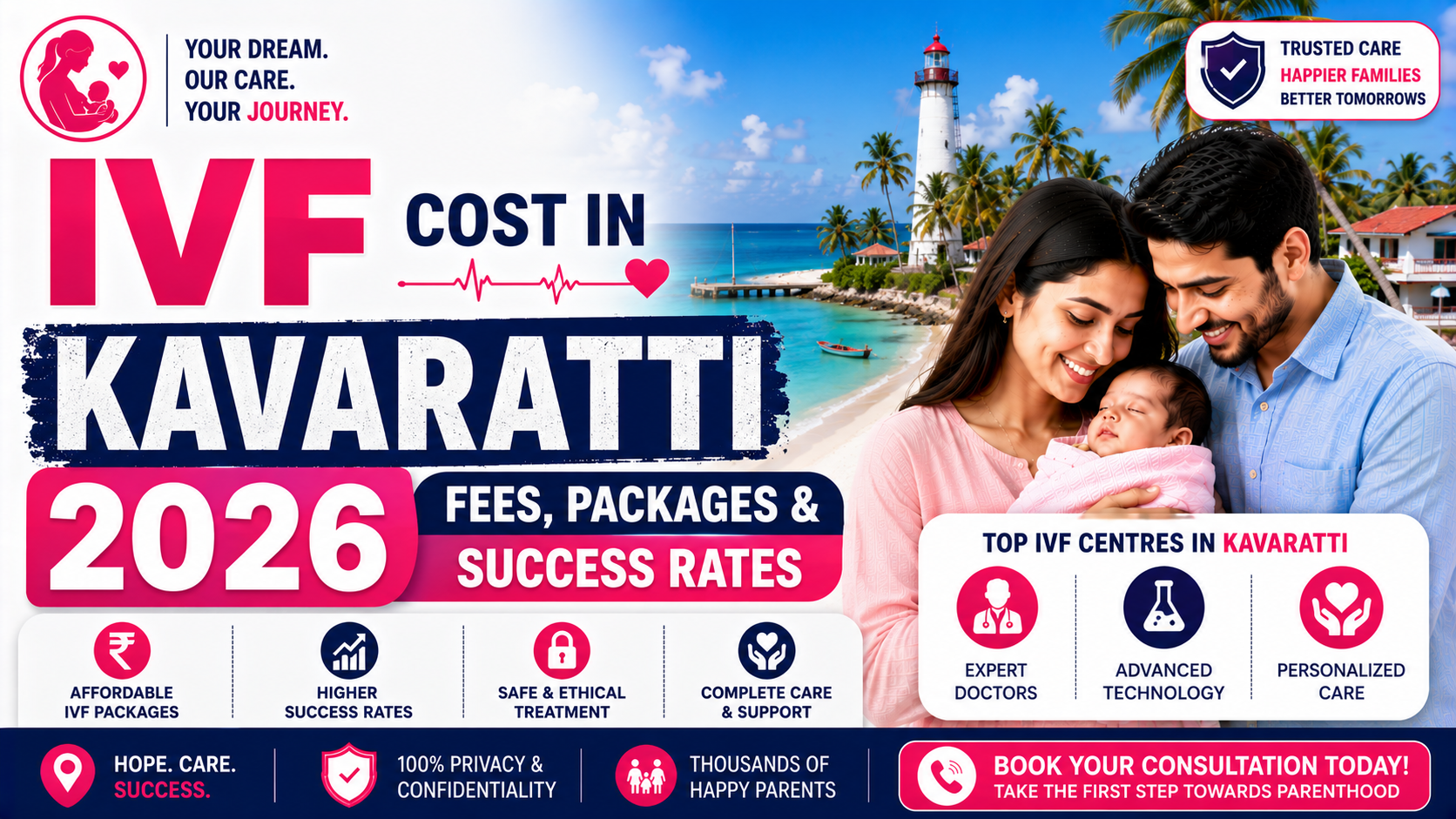
IVF Cost in Kavaratti 2026: Fees, Packages & Success Rates
What Does IVF Cost in Kavaratti in 2026?
For individuals in Kavaratti seeking Assisted Reproductive Technology (ART) such as In Vitro Fertilisation (IVF) in 2026, the estimated total expenditure for a single IVF cycle, including necessary travel and accommodation to mainland India, typically ranges from ₹3,00,000 to ₹5,00,000. It is important to note that direct, fully equipped IVF centres are not typically available in Kavaratti. Patients from Lakshadweep usually travel to major medical hubs, most commonly Kochi in mainland Kerala, to access comprehensive ART services. The actual cost can vary significantly based on the chosen clinic, medication protocols, specific infertility diagnosis, and the number of cycles required.
Welcome to Surrogacy.net.in. This section addresses the critical question of "IVF Cost in Kavaratti 2026: Fees, Packages & Success Rates" by outlining the financial aspects unique to patients from Kavaratti, Lakshadweep. Understanding the financial commitment is a primary concern for couples considering IVF, and for those in geographically isolated regions, additional logistical and travel expenses significantly impact the overall budget.
Why Lakshadweep's Remote Location Affects Local Pricing
Kavaratti, as the capital of the Lakshadweep archipelago, faces unique challenges in healthcare infrastructure due to its remote island location. The limited population density and the logistical complexities of transporting specialized medical equipment, highly trained personnel, and sensitive laboratory consumables mean that establishing and maintaining a full-fledged, advanced ART centre locally is generally not feasible. This directly influences the availability and pricing of specialized services like IVF.
Patients from Kavaratti who require IVF treatment must factor in considerable indirect costs. These include:
- Travel: Multiple ferry or flight journeys between Kavaratti and the mainland (primarily Kochi) are necessary for initial consultations, diagnostic tests, ovarian stimulation monitoring, egg retrieval, and embryo transfer.
- Accommodation: Extended stays in mainland cities are often required for various stages of the IVF cycle, adding significantly to the overall expenditure.
- Loss of Income: Time taken away from work for travel and treatment can result in a loss of income, which should also be considered a part of the total financial impact.
These elements combined mean that while the medical procedure cost itself might be comparable to that in a mainland city, the total financial outlay for a Kavaratti patient is substantially higher.
Treatment Availability in Kavaratti and Mainland Referral
As of 2026, Kavaratti does not typically host dedicated, registered IVF or ART centres capable of providing comprehensive services under the Assisted Reproductive Technology (Regulation) Act, 2021 (in force 25 Jan 2022) and the ART Rules, 2022. These regulations mandate specific infrastructure, personnel, and ethical guidelines that are challenging to meet in such a remote location for a full-scale ART facility. The National ART & Surrogacy Registry, maintained by the Indian Council of Medical Research (ICMR) and the Ministry of Health and Family Welfare, lists registered clinics that adhere to these standards (accessed July 2026).
Consequently, individuals and couples from Kavaratti seeking IVF treatment are almost always referred to larger medical centres on the Indian mainland. Kochi, a major city in Kerala, is the most common and geographically convenient referral point. It boasts several well-established and registered ART clinics equipped with state-of-the-art facilities and experienced fertility specialists. Patients would typically undergo their entire IVF cycle, from initial diagnostics to embryo transfer, at one of these mainland clinics.
The process generally involves:
- An initial consultation and diagnostic work-up on the mainland.
- A return to Kavaratti, potentially with medications for ovarian stimulation, though close monitoring might require a prolonged stay on the mainland.
- A trip back to the mainland for egg retrieval and sperm collection.
- Embryo culture and transfer, often requiring a stay of several days to a week.
- Follow-up appointments and pregnancy tests, which might necessitate further travel.
This structured referral system ensures access to quality care, but it necessitates careful financial and logistical planning for patients from Kavaratti. For more insights on financial planning, you may find our guide on IVF Cost in Leh helpful, as it shares similar challenges due to remote access.
Key Takeaways
- The estimated total expenditure for an IVF cycle for Kavaratti patients in 2026, including travel and accommodation, typically ranges from ₹3,00,000 to ₹5,00,000.
- Kavaratti lacks comprehensive, registered IVF/ART centres due to its remote location and specialized infrastructure requirements.
- Patients from Kavaratti are routinely referred to mainland cities, with Kochi (Kerala) being the primary hub for accessing IVF treatment.
- Significant additional costs related to travel, accommodation, and potential loss of income must be budgeted for alongside the medical procedure fees.
- Prospective parents should verify any mainland clinic's ART registration on the National ART & Surrogacy Registry (registry.artsurrogacy.gov.in).
IVF Cost Breakdown in Kavaratti: Fees by Component
For individuals residing in Kavaratti, understanding the cost components of In Vitro Fertilisation (IVF) is crucial, especially since most advanced fertility treatments necessitate travel to mainland India. The overall cost of an IVF cycle is a summation of various medical procedures, medications, laboratory charges, and, uniquely for Kavaratti residents, significant travel and accommodation expenses. This breakdown details the estimated fees for a standard IVF cycle when undertaken at reputable fertility centres on the mainland, typically in a city like Kochi, Kerala.
| Item | Estimated Range (₹) | Notes |
|---|---|---|
| Initial Consultation & Assessment | ₹1,000 – ₹3,000 | First visit with a fertility specialist, includes medical history review and initial counselling. |
| Pre-IVF Diagnostic Tests (for couple) | ₹10,000 – ₹25,000 | Includes hormone profiles (e.g., AMH, FSH), infectious disease screening, semen analysis, and basic ultrasound scans. |
| Ovarian Stimulation Medications | ₹60,000 – ₹1,50,000 | Cost highly variable based on individual response, required dosage, and type of gonadotropins used. This is often the largest variable cost. |
| Follicular Monitoring | ₹10,000 – ₹20,000 | Series of ultrasound scans and blood tests conducted during the stimulation phase to monitor follicle growth and hormone levels. |
| Egg Retrieval Procedure (OPU) | ₹30,000 – ₹60,000 | Includes anaesthesia (local/sedation), procedure room charges, and aspiration of eggs under ultrasound guidance. |
| Embryo Culture & Laboratory Fees | ₹20,000 – ₹40,000 | Costs associated with fertilisation (conventional IVF), embryo development, and management in the laboratory. |
| Embryo Transfer Procedure | ₹15,000 – ₹30,000 | Involves the delicate placement of selected embryos into the uterus. |
| Post-Transfer Medications | ₹5,000 – ₹15,000 | Hormonal support (primarily progesterone) prescribed for the luteal phase to aid implantation. |
| Sub-Total (One Basic IVF Cycle on Mainland) | ₹1,47,000 – ₹3,53,000 | This range is indicative for a single, basic IVF cycle at a mainland clinic and does not include advanced add-ons like ICSI, PGT, freezing, or donor gametes, which incur additional charges. |
| Estimated Travel & Accommodation (Kavaratti to Kochi) | ₹60,000 – ₹1,60,000 | Estimated cost for round-trip flights/ferry tickets and approximately 2-3 weeks of accommodation in Kochi for a couple, encompassing the active IVF cycle duration. This component can vary significantly based on travel mode, season, and lodging choices. |
Core Components of an IVF Cycle
An IVF cycle involves several distinct stages, each contributing to the overall cost. The initial steps often include a detailed consultation with a fertility specialist, where the patient's medical history is assessed, and a treatment plan is devised. This is followed by a series of diagnostic tests for both partners, which are essential for identifying the underlying causes of infertility and ensuring readiness for the procedure. Common tests include hormone level assessments, infectious disease screenings, and semen analysis for men.
A major component of the cost is ovarian stimulation, which involves administering fertility drugs to encourage the ovaries to produce multiple eggs. The medications used, primarily gonadotropins, can vary significantly in cost depending on the brand, dosage required, and the duration of stimulation. This phase also includes regular follicular monitoring through ultrasound scans and blood tests to track the growth of follicles and prevent overstimulation.
Once the follicles are mature, egg retrieval is performed under light anaesthesia. This surgical procedure involves aspirating the eggs from the ovaries. Following retrieval, the eggs are fertilised with sperm in the laboratory (embryo culture). Finally, the selected embryos are transferred into the woman's uterus during the embryo transfer procedure. Each of these stages requires specialised medical expertise, equipment, and laboratory services, contributing to the overall expenditure.
Factoring in Travel and Accommodation Costs for Mainland Treatment
Given the limited availability of comprehensive ART (Assisted Reproductive Technology) services in Kavaratti, individuals typically need to travel to larger cities on mainland India, such as Kochi in Kerala, for IVF treatment. This logistical necessity adds a substantial layer of expense to the overall IVF cost. Travel costs include round-trip flights or ferry services from Kavaratti to the chosen mainland city. Due to the multi-stage nature of an IVF cycle, patients may need to remain in the mainland city for an extended period, potentially two to three weeks, especially for a fresh embryo transfer cycle. This extended stay necessitates budgeting for accommodation, which can range from budget-friendly options to more comfortable hotels or service apartments, depending on personal preference and duration. Daily living expenses, including food and local transportation, also need to be factored into the overall financial planning. For further insights into cost variations in different regions, you may explore IVF Cost in Panaji 2026.
Key Takeaways
- A basic IVF cycle on the mainland for Kavaratti residents typically ranges from ₹1,47,000 to ₹3,53,000, excluding advanced add-ons.
- The largest variable cost within an IVF cycle is often the ovarian stimulation medications, influenced by individual needs and drug types.
- Significant additional expenses, estimated between ₹60,000 – ₹1,60,000, arise from travel and accommodation in a mainland city like Kochi for the treatment duration.
- Diagnostic tests, follicular monitoring, egg retrieval, and embryo transfer are distinct cost components that comprise a standard IVF package.
- Patients should prepare for both the direct medical costs and the indirect logistical expenses when planning IVF from Kavaratti.
What Do IVF Packages Include in 2026?
Understanding the components of In Vitro Fertilisation (IVF) packages is crucial for individuals undergoing fertility treatment. While the core process remains consistent, the specific services bundled together and their pricing can vary significantly across different Assisted Reproductive Technology (ART) clinics in India. These packages are structured to offer various options, from a single cycle to multiple attempts, each with distinct inclusions and exclusions.
Single-Cycle vs. Multi-Cycle Package Structures
IVF treatment packages are primarily offered in two formats: single-cycle and multi-cycle. The choice between these depends on individual patient profiles, anticipated needs, and financial considerations.
- Single-Cycle Packages: This is the most common offering, encompassing one complete IVF attempt. It typically includes the initial consultation after diagnostic tests, ovarian stimulation monitoring (ultrasounds and blood tests), egg retrieval, fertilisation of eggs with sperm (either conventional IVF or sometimes Intracytoplasmic Sperm Injection – ICSI), embryo culture, and a fresh embryo transfer. Should this cycle not result in a pregnancy, any subsequent cycles would be charged separately at the prevailing single-cycle rates.
- Multi-Cycle Packages (or 'Guarantee'/'Shared Risk' Programmes): Some ART clinics provide packages that bundle two or more IVF cycles at a reduced overall cost compared to purchasing each cycle individually. These programmes are designed for patients who may require multiple attempts to achieve a successful pregnancy. They often represent an upfront financial commitment but can be more economical in the long run. Less commonly, some clinics might offer a refund component if a live birth is not achieved after a specified number of cycles, though such programmes are highly individualised and contingent on specific patient eligibility criteria. Under the ART (Regulation) Act, 2021, and ART Rules 2022, all registered clinics must provide transparent information regarding their services and costs, ensuring clarity on package inclusions.
What is Bundled vs. Charged Separately (Drugs, Freezing, Anaesthesia)
While a basic IVF package covers the primary procedures, several essential components are often charged separately, significantly impacting the total cost:
- Core Inclusions (Typically Bundled): Initial patient consultations (post-diagnosis), detailed treatment planning, ovarian stimulation protocols, monitoring appointments (ultrasounds, blood tests), the egg retrieval procedure, fertilisation in the laboratory, embryo development/culture, and the fresh embryo transfer are usually part of the standard package.
- Common Exclusions (Typically Charged Separately):
- Medications: Ovarian stimulation drugs constitute a substantial portion of the overall IVF cost and are almost always billed separately. The dosage and type of medication are tailored to each patient's response, making it impractical to include a fixed cost in a general package.
- Anaesthesia: For the egg retrieval procedure, short general anaesthesia or conscious sedation is administered. While some clinics might include this, it is frequently an additional charge, varying based on the anaesthetist's fees and the duration.
- Embryo Freezing (Cryopreservation) and Storage: If viable embryos remain after the fresh transfer, couples often opt to freeze them for future use. The process of cryopreservation and subsequent annual storage fees for these frozen embryos are consistently separate costs.
- Advanced Procedures/Add-Ons: Specialised techniques such as Intracytoplasmic Sperm Injection (ICSI, if not standard in the package), Preimplantation Genetic Testing (PGT), assisted hatching, or testicular sperm extraction (TESE) for male factor infertility are considered add-ons and incur additional charges. These are detailed further in the 'Add-On Treatment Costs' section of this blog.
- Initial Diagnostic Tests: Pre-IVF diagnostic blood tests, semen analysis, and other evaluations are typically performed before package enrolment and are billed separately.
Fresh vs. Frozen Embryo Transfer Package Pricing
The type of embryo transfer significantly influences the package pricing:
- Fresh Embryo Transfer (Fresh ET): This method involves transferring embryos into the uterus typically 3-5 days after egg retrieval within the same treatment cycle. The cost for a fresh ET is generally integrated into the standard single-cycle IVF package. It represents the immediate culmination of the ovarian stimulation and retrieval phase.
- Frozen Embryo Transfer (FET) Cycle: An FET cycle is performed when embryos that were previously cryopreserved are thawed and transferred. This could be due to an unsuccessful fresh transfer, a medical need to delay transfer (e.g., risk of Ovarian Hyperstimulation Syndrome), or after genetic testing (PGT) results are available. An FET cycle is distinct from a full fresh IVF cycle and is typically priced lower because it does not involve ovarian stimulation or egg retrieval. The costs associated with an FET cycle usually cover uterine preparation medications, monitoring, embryo thawing, and the transfer procedure itself. It is crucial to remember that the cost of freezing the embryos and their annual storage is separate from the FET cycle cost, as discussed in the section on IVF Cost in Panaji 2026.
Key Takeaways
- IVF packages can be single-cycle or multi-cycle, with multi-cycle options potentially offering cost savings for multiple attempts.
- Standard packages typically include core procedures from stimulation to fresh embryo transfer.
- Key exclusions often include ovarian stimulation medications, anaesthesia for retrieval, embryo freezing and storage, and advanced add-on procedures.
- Frozen Embryo Transfer (FET) cycles are priced separately and are generally less expensive than a full fresh IVF cycle as they bypass the stimulation and retrieval phases.
- Always request a detailed breakdown of all bundled and excluded costs from an ART clinic before commencing treatment.
Add-On Treatment Costs That Raise Your IVF Bill
While the base IVF cycle covers fundamental procedures like ovarian stimulation, egg retrieval, fertilisation, and embryo transfer, many patients require or opt for additional treatments that can significantly increase the overall cost. These add-ons are often recommended based on specific infertility diagnoses, patient age, medical history, or to potentially improve success rates.
Advanced Techniques for Enhanced Success
Several advanced laboratory techniques can be incorporated into an IVF cycle, each contributing to the total expenditure:
- Intracytoplasmic Sperm Injection (ICSI): This procedure involves injecting a single sperm directly into an egg. ICSI is primarily recommended for cases of male factor infertility, such as low sperm count, poor sperm motility, or abnormal sperm morphology. It may also be used if there was a low fertilisation rate in a previous conventional IVF cycle. The additional expertise and equipment required for ICSI make it a separate charge on top of the standard IVF fertilisation process.
- Laser-Assisted Hatching (LAH): LAH is a micro-manipulation technique where a laser creates a small opening in the zona pellucida (outer shell) of the embryo before transfer. The aim is to assist the embryo in 'hatching' out of its shell, which is necessary for implantation in the uterine wall. It might be considered for older patients, those with previous IVF failures, or embryos with a particularly thick zona pellucida.
- Preimplantation Genetic Testing (PGT): PGT involves biopsying a few cells from an embryo (typically a blastocyst) and sending them for genetic analysis. There are different types: PGT-A (for aneuploidy) screens for chromosomal abnormalities, PGT-M (for monogenic disorders) screens for specific inherited genetic diseases (e.g., Thalassemia, Cystic Fibrosis), and PGT-SR (for structural rearrangements) detects chromosomal structural rearrangements. PGT is often recommended for couples with recurrent miscarriages, multiple failed IVF cycles, advanced maternal age, or known genetic conditions in the family. The cost of PGT is significant as it involves embryo biopsy, specialised genetic analysis, and typically incurs a charge per embryo or per batch of embryos.
Gamete and Embryo Management Costs
The use and management of reproductive cells (gametes) and embryos also introduce additional expenses:
- Donor Egg or Donor Sperm: If a couple cannot use their own gametes due to medical reasons, they may opt for donor eggs or donor sperm. Under the ART (Regulation) Act, 2021 and ART Rules, 2022, donor gametes must be sourced from registered ART Banks. ⚠️ Updated March 2024: The Surrogacy Rules, 2022, were amended in March 2024 to permit the use of donor gametes in specified medical conditions, replacing an earlier blanket ban. The costs associated with donor gametes include donor screening, compensation (as per legal guidelines, covering expenses), and collection, which can substantially increase the overall treatment expense.
- Embryo Freezing and Storage: After an IVF cycle, if there are more viable embryos than needed for immediate transfer, they can be cryopreserved (frozen) for future use. This involves an initial freezing charge and subsequent annual storage fees. Freezing allows for subsequent frozen embryo transfer (FET) cycles without undergoing another full ovarian stimulation and egg retrieval, which can be less physically and financially demanding than a fresh cycle.
Frozen Embryo Transfer (FET) Cycle Costs
A Frozen Embryo Transfer (FET) cycle refers to the process of thawing and transferring previously cryopreserved embryos. While it avoids the egg retrieval and fertilisation stages, an FET cycle still incurs its own set of costs:
- Uterine Preparation Medications: Medications are administered to prepare the uterine lining for embryo implantation. These may include estrogen and progesterone.
- Thawing Procedure: The frozen embryos are carefully thawed in the laboratory.
- Embryo Transfer: The actual transfer of the thawed embryos into the uterus.
Although typically less expensive than a full fresh IVF cycle, an FET cycle is a distinct financial component. Understanding the nuances of these add-on costs is crucial for financial planning, especially for patients from locations like Kavaratti who may need to factor in travel and accommodation for specialised treatments in mainland centres, as discussed in the IVF Cost in Panaji 2026 guide.
| Item | Estimated Range (₹) | Notes |
|---|---|---|
| ICSI (per cycle, in addition to IVF) | ~₹15,000 – ₹35,000 | Recommended for male factor infertility or low fertilisation in prior cycles. |
| Laser-Assisted Hatching (LAH) | ~₹10,000 – ₹25,000 | May improve implantation for specific patient profiles. |
| Preimplantation Genetic Testing (PGT-A) | ~₹30,000 – ₹70,000 per embryo/batch | Screens embryos for chromosomal abnormalities; cost varies by number of embryos tested. |
| Donor Sperm (including screening) | ~₹10,000 – ₹30,000 | Cost for acquiring and screening donor sperm from an ART Bank. |
| Donor Egg (including screening & compensation) | ~₹60,000 – ₹1,20,000 | Cost for acquiring and screening donor eggs from an ART Bank, including legally permissible compensation. |
| Embryo Freezing (initial) | ~₹10,000 – ₹25,000 | One-time charge for cryopreservation of surplus embryos. |
| Embryo Storage (annual) | ~₹5,000 – ₹15,000 | Recurring annual fee for safe storage of frozen embryos. |
| Frozen Embryo Transfer (FET) Cycle | ~₹25,000 – ₹50,000 | Cost for uterine preparation, thawing, and transfer of frozen embryos. Does not include initial freezing or storage. |
Note: All costs are estimated indicative ranges for 2026 and can vary significantly based on the specific clinic, patient's medical needs, number of embryos, and geographical location within India. Patients from Kavaratti should anticipate additional travel and accommodation expenses if these specialised services require travel to mainland centres.
Key Takeaways
- Add-on IVF treatments like ICSI, LAH, and PGT significantly increase the total cost but are often medically indicated for specific infertility challenges.
- The use of donor gametes (egg or sperm) introduces substantial expenses related to donor sourcing, screening, and legal compensation.
- Embryo freezing incurs an initial cost, followed by annual storage fees, while a subsequent Frozen Embryo Transfer (FET) cycle is a separate procedure with its own set of costs, including medications and the transfer itself.
- Always request a detailed cost breakdown from your chosen ART clinic, clearly distinguishing between the base IVF cycle and any recommended add-on procedures, to avoid unexpected expenses.
- Factor in potential travel and accommodation costs, especially for patients from remote areas like Kavaratti who may need to access advanced services on the mainland.
What Are IVF Success Rates by Age in 2026?
The success of In Vitro Fertilisation (IVF) is influenced by numerous factors, with patient age being one of the most critical determinants. IVF success rates are typically measured by the live birth rate per embryo transfer or per initiated cycle. In India, the Assisted Reproductive Technology (Regulation) Act, 2021, and its corresponding Rules, mandate that all ART clinics register and report their outcomes to the National ART Registry. This data collection by the Indian Council of Medical Research (ICMR) aims to provide transparent and standardised benchmarks for ART services across the country.
While precise, comprehensive national success rate data for 2026 is continuously being compiled and refined, the following table presents estimated live birth rates per IVF cycle based on age group. These figures are broadly consistent with trends observed in international ART registries and reflect the biological reality of declining fertility with advancing maternal age.
Estimated IVF Live Birth Success Rates per Cycle by Age Group (2026)
| Age Group | Estimated Live Birth Rate per IVF Cycle |
|---|---|
| Under 35 years | 35% – 40% |
| 35 – 37 years | 28% – 32% |
| 38 – 40 years | 20% – 25% |
| 41 – 42 years | 12% – 15% |
| Over 42 years | 5% – 8% |
Table: Estimated IVF Live Birth Success Rates per initiated cycle for 2026. These are indicative ranges reflecting typical outcomes based on national and international ART data trends, subject to individual patient and clinic variations. Source: General trends informed by ICMR ART Guidelines and international registries (e.g., ESHRE, SART).
Data from ICMR and National ART Registry Benchmarks
The Assisted Reproductive Technology (Regulation) Act, 2021 (in force 25 Jan 2022), alongside the ART Rules, 2022, established a robust regulatory framework for fertility treatments in India. A cornerstone of this framework is the requirement for all ART clinics and banks to register with the National Registry and regularly submit their performance data. This centralisation of data, managed by the ICMR, aims to provide accurate national benchmarks for various ART procedures, including IVF success rates. Patients can search for registered clinics on the National ART & Surrogacy Registry → registry.artsurrogacy.gov.in to verify compliance.
The ICMR, through its National Guidelines for Accreditation, Supervision & Regulation of ART Clinics in India, outlines the standards for reporting and interpreting success rates. These guidelines emphasise the importance of reporting live birth rates per initiated cycle to offer the most accurate measure of treatment effectiveness. While specific aggregated 2026 national statistics for success rates by age may be in various stages of public dissemination, the figures presented are derived from the general understanding of fertility science and are consistent with the data trends that inform national guidelines.
How Age, Egg Quality, and Clinic Factors Influence Your Odds
Beyond the indicative rates, several factors fundamentally alter an individual's prognosis:
Age and Ovarian Reserve
A woman's age is the single most influential factor affecting IVF success. As women age, both the quantity (ovarian reserve) and quality of their eggs decline. Younger women tend to produce more eggs during ovarian stimulation, and these eggs are more likely to be chromosomally normal, leading to healthier embryos with a higher chance of successful implantation and live birth. After the age of 40, the incidence of chromosomal abnormalities in eggs increases significantly, reducing embryo viability and raising the risk of miscarriage.
Egg Quality and Lifestyle
Egg quality, while strongly linked to age, can also be impacted by other medical conditions and lifestyle choices. Conditions like endometriosis, Polycystic Ovary Syndrome (PCOS), and certain genetic factors can affect egg quality regardless of age. Lifestyle factors such as smoking, excessive alcohol consumption, obesity, and exposure to environmental toxins can also negatively impact oocyte health, thereby influencing IVF outcomes. Optimising lifestyle before and during treatment can play a supportive role.
Clinic Factors and Expertise
The choice of an IVF clinic significantly impacts success rates. Key factors related to the clinic include:
- Laboratory Standards: A state-of-the-art embryology laboratory with stringent quality control, optimal air filtration, and advanced equipment is crucial for embryo development. The expertise of the embryologists in handling gametes, performing ICSI, and embryo selection is paramount.
- Experience and Protocols: Clinics with experienced fertility specialists who employ evidence-based and personalised treatment protocols often achieve better outcomes. Customised ovarian stimulation, precise timing of egg retrieval, and skilled embryo transfer techniques are vital.
- Adherence to Regulations: Clinics registered under the ART (Regulation) Act, 2021, are subject to regular inspections and must maintain high standards of care, ethical practice, and data reporting. Verification of a clinic’s registration on the National ART & Surrogacy Registry is an essential step for patients.
It is important for patients, especially those considering treatment from remote locations like Kavaratti, to understand these factors and discuss their specific prognosis with a fertility specialist. Travel and accommodation considerations for mainland treatment can also influence the overall experience and outcomes, as discussed in the Cost of Traveling from Kavaratti to Mainland IVF Centres section.
Key Takeaways
- IVF success rates, particularly live birth rates, significantly decline with increasing maternal age, with rates dropping noticeably after 35 years.
- The Indian Council of Medical Research (ICMR) and the National ART Registry are the primary authorities for collecting and benchmarking national IVF success data in India, as mandated by the ART (Regulation) Act, 2021.
- Beyond age, egg quality (influenced by medical conditions and lifestyle) and the quality of the IVF clinic's laboratory, its protocols, and the expertise of its specialists are critical determinants of success.
- Patients should verify a clinic's registration on the National ART & Surrogacy Registry to ensure adherence to national standards and ethical practices.
- Understanding individual prognosis and discussing all influencing factors with a fertility specialist is crucial for realistic expectations and informed decision-making.
What Factors Change Your Total IVF Cost?
The total expenditure for In Vitro Fertilisation (IVF) treatment is not a fixed sum but rather a dynamic figure influenced by a confluence of medical, pharmacological, and logistical factors. While core procedures form the base cost, several variables can significantly adjust the final financial outlay for patients seeking treatment, particularly those from remote locations like Kavaratti.
Age, Infertility Cause, and Number of Cycles Needed
A primary determinant of IVF cost is the female partner's age and the specific diagnosis of infertility. As discussed in the section on IVF success rates, a woman's age, particularly after the mid-30s, can impact ovarian reserve and egg quality. This often translates to a need for higher medication dosages to stimulate egg production or a greater likelihood of requiring multiple IVF cycles to achieve a successful pregnancy. Each additional cycle, encompassing stimulation, egg retrieval, and embryo transfer, represents a substantial increase in overall costs.
Furthermore, the underlying cause of infertility plays a crucial role. Conditions such as severe male factor infertility, endometriosis, tubal factor infertility, or recurrent implantation failure may necessitate advanced Assisted Reproductive Technology (ART) procedures. For instance, Intracytoplasmic Sperm Injection (ICSI) is often required for male factor infertility, while preimplantation genetic testing (PGT) may be recommended for couples with genetic concerns or recurrent pregnancy loss. These specialised add-on procedures, while enhancing success probabilities in specific cases, invariably contribute to a higher total cost, as detailed in the 'Add-On Treatment Costs That Raise Your IVF Bill' section.
Medication Protocols and Donor Gamete Utilisation
Ovarian stimulation medications constitute a significant portion of an IVF cycle's cost. The specific protocol, type, and dosage of these medications are tailored to each patient's ovarian response, which varies widely. Patients with diminished ovarian reserve or those who respond poorly to standard doses may require higher quantities or more expensive formulations of gonadotropins, directly increasing the pharmacological expense. The duration of the stimulation phase also affects the total medication cost.
In cases where a couple faces severe gamete-related issues, the use of donor eggs or donor sperm may become necessary. The acquisition of donor gametes from a registered ART bank, including the donor's screening, compensation (as permissible by law for expenses), and processing, adds a distinct financial component. It is important to note that the Surrogacy Rules 2022, as amended in March 2024, now permit the use of donor gametes in specified medical conditions under the ART (Regulation) Act, 2021 (in force 25 Jan 2022), providing a legal framework for these options. This legal provision facilitates access to necessary treatment but also introduces associated costs.
Link for ART (Regulation) Act, 2021 and Surrogacy Rules 2022, 2024 amendment: indiacode.nic.in – The ART (Regulation) Act, 2021 and relevant rules via mohfw.gov.in (accessed July 2026) for rule amendments.
Impact of Remote Location for Lakshadweep Patients
For individuals residing in Kavaratti, Lakshadweep, geographical isolation introduces a unique set of cost-escalating factors. As Kavaratti currently lacks dedicated, fully equipped ART centres capable of performing comprehensive IVF treatments, patients typically need to travel to mainland India, most often to cities like Kochi in Kerala, for their treatment.
This necessity for travel incurs significant additional expenses beyond the medical procedures themselves. These include:
- Travel Costs: Airfare or ferry tickets for multiple journeys between Kavaratti and the mainland. IVF protocols often require several visits for monitoring, retrieval, and transfer, or an extended stay.
- Accommodation: Expenses for lodging in the mainland city for the duration of the treatment cycle, which can range from several days to a few weeks, depending on the individual protocol and any unforeseen delays.
- Local Transportation: Costs associated with commuting to and from the clinic for appointments, diagnostic tests, and procedures.
- Loss of Income: Indirect costs may also arise from time away from work for both partners, impacting household income.
These logistical burdens substantially increase the total financial commitment for Kavaratti patients, making the overall cost of IVF treatment considerably higher than for patients residing in cities with readily available ART services.
Key Takeaways
- IVF costs are highly variable, influenced by individual medical profiles and the number of treatment cycles required.
- Higher maternal age and complex infertility diagnoses often necessitate more intensive treatments, including potential add-ons like ICSI or PGT, increasing the overall cost.
- Medication expenses vary significantly based on the dosage and type needed for ovarian stimulation, with donor gamete use adding further costs.
- Patients from Kavaratti face substantial additional expenses for travel, accommodation, and local transport due to the necessity of seeking IVF treatment in mainland cities.
Is IVF Covered by Insurance in India?
Infertility treatment, including In Vitro Fertilisation (IVF) and Assisted Reproductive Technology (ART) procedures, often represents a significant financial commitment for couples. In India, the landscape of health insurance coverage for IVF in 2026 is complex, with most standard health insurance policies typically not covering these treatments. This is primarily because ART procedures are often categorised as elective or non-essential treatments, or sometimes fall under exclusions for pre-existing conditions, depending on the policy terms.
Current Status of IVF/ART Insurance Coverage in 2026
As of 2026, the general stance among Indian health insurance providers is that fertility treatments, including IVF, fall outside the scope of standard indemnity health plans. While some insurers may offer limited coverage for diagnostic tests related to infertility or for conditions that *cause* infertility (e.g., surgery for endometriosis or fibroids), the core procedures of IVF – such as ovarian stimulation, egg retrieval, embryo creation, and embryo transfer – are largely excluded. This exclusion is a common practice across the global insurance industry for elective fertility services.
However, there have been gradual shifts towards more inclusive policies. A few specialised plans or riders from certain providers might offer partial coverage, but these are generally premium products with specific waiting periods, sub-limits, and conditions. Couples must meticulously review policy documents and consult with insurance providers directly to understand the exact scope of coverage, if any, for ART procedures. The ART (Regulation) Act, 2021 (in force 25 Jan 2022), primarily focuses on regulating clinics and procedures, and does not mandate insurance coverage for patients.
Employer and Government Scheme Limitations
Employer-provided health insurance schemes in India generally mirror the limitations of individual health plans concerning IVF. While these policies offer comprehensive coverage for many medical conditions, the elective nature and specific exclusions for fertility treatments typically apply. Employees seeking IVF treatment usually find that their corporate health plans do not cover the direct costs of the procedure.
Similarly, government-sponsored health schemes such as Ayushman Bharat (Pradhan Mantri Jan Arogya Yojana - PMJAY), the Central Government Health Scheme (CGHS), and the Ex-Servicemen Contributory Health Scheme (ECHS) are designed to provide access to essential healthcare services. While they cover a wide range of medical treatments and hospitalisations, elective fertility treatments like IVF are generally not included within their standard benefits. These schemes prioritise essential medical and surgical interventions, and ART procedures typically do not fall under this category. Any rare exceptions or pilot programs would be highly localised and specifically announced by the respective government bodies.
Financing, EMI, and Cost-Saving Options for Couples
Given the limited insurance coverage, couples undergoing IVF treatment in India often need to explore alternative financing and cost-saving strategies. The substantial financial outlay for IVF, as discussed in earlier sections like 'What Does IVF Cost in Kavaratti in 2026?' and 'IVF Cost Breakdown in Kavaratti: Fees by Component', makes careful financial planning crucial. Here are some common approaches:
- Clinic-Offered EMI Facilities: Many ART clinics in India partner with financial institutions to provide Equated Monthly Instalment (EMI) options. This allows couples to pay for their IVF treatment in manageable monthly instalments, easing the immediate financial burden.
- Medical Loans from Banks: Several commercial banks and non-banking financial companies (NBFCs) offer specialised medical loans or personal loans that can be utilised for fertility treatments. These loans often come with competitive interest rates and flexible repayment tenures.
- Multi-Cycle Packages: As detailed in the 'What Do IVF Packages Include in 2026?' section, opting for multi-cycle packages can sometimes be more cost-effective than paying for individual cycles, especially if multiple attempts are anticipated. These packages often offer a discount compared to cumulative single-cycle costs.
- Cost-Effective Treatment Planning: Patients are advised to discuss transparent pricing with their chosen registered ART clinic. Understanding the complete cost breakdown, including potential add-on charges (as discussed in 'Add-On Treatment Costs That Raise Your IVF Bill'), helps in budgeting effectively and avoiding unexpected expenses. Exploring centres in other cities, such as Kochi, might also present different cost structures, though this would involve additional travel and accommodation expenses as noted in the 'Cost of Traveling from Kavaratti to Mainland IVF Centres' section.
Key Takeaways
- Standard health insurance policies in India generally do not cover IVF/ART procedures as of 2026.
- Employer-provided and government health schemes typically exclude elective fertility treatments like IVF.
- Couples should verify any potential limited coverage for diagnostic tests related to infertility within their existing policies.
- Alternative financing options include clinic-offered EMI facilities and medical loans from banks/NBFCs.
- Consider multi-cycle packages and transparent cost discussions with clinics to manage overall treatment expenses effectively.
How to Choose a Registered IVF Clinic for Kavaratti Patients
For patients from Kavaratti contemplating In Vitro Fertilisation (IVF) treatment, particularly those considering travel to mainland India for advanced care, the process of selecting a suitable and registered clinic is paramount. Given the sensitive nature of fertility treatments and the significant investment involved, a well-informed decision protects your health, finances, and emotional well-being.
Key Considerations When Selecting an IVF Clinic
Choosing an IVF clinic requires careful evaluation of several factors beyond just advertised success rates. The table below outlines critical aspects to investigate and their significance for Kavaratti patients seeking treatment.
| What to Check | Why it Matters |
|---|---|
| ART Act Registration & National Registry Listing | Ensures legal compliance, patient safety, and adherence to ethical guidelines mandated by the Indian government. |
| Clinic's Infrastructure & Laboratory Standards | Directly impacts the quality of gamete handling, embryo development, and overall success rates. Advanced labs are crucial. |
| Embryologist & Medical Team Credentials | Experienced and qualified professionals are essential for precise procedures and optimal patient care throughout the IVF journey. |
| Transparent & Itemised Pricing | Helps avoid hidden costs and allows for accurate financial planning, especially when factoring in travel and accommodation. |
| Patient Support Services & Counseling | Comprehensive support addresses emotional challenges and provides crucial information, aiding in informed decision-making. |
| Clinic's Reported ART Success Rates | Provides an indication of the clinic's effectiveness, but individual outcomes depend on various personal factors. |
Note: These are general guidelines for selecting an ART clinic. Individual patient needs and preferences may vary.
ART (Regulation) Act 2021 Registration and National ART Registry Listing
The foremost criterion for any patient from Kavaratti seeking IVF treatment in India is to ensure that the chosen clinic is registered under the Assisted Reproductive Technology (Regulation) Act, 2021 (in force 25 Jan 2022) and the corresponding ART Rules, 2022. This legislation provides a regulatory framework for all ART clinics and banks across the country, aiming to ensure ethical practices, prevent misuse, and establish minimum standards for infrastructure and personnel.
Every legitimate ART clinic and bank in India is mandated to be registered with the National Registry. Before committing to any clinic, patients should verify its registration status on the official National ART & Surrogacy Registry. This can be done by visiting registry.artsurrogacy.gov.in (accessed July 2026). Choosing an unregistered clinic carries significant risks, including potential sub-standard care, lack of legal recourse, and exposure to unethical practices.
Verifying Lab Standards, Embryologist Credentials and Transparent Pricing
Beyond legal registration, the operational quality of an IVF clinic is largely defined by its laboratory, the expertise of its staff, and its financial transparency.
- Laboratory Standards: The ART laboratory is the heart of an IVF clinic. Prospective patients should inquire about the lab's facilities, including its cleanroom technology, air filtration systems (HEPA filters), quality control protocols for incubators and equipment, and disaster recovery plans. A state-of-the-art lab with stringent quality assurance measures is vital for maintaining optimal conditions for gametes and embryos, directly influencing treatment success.
- Embryologist Credentials: The embryologist plays a critical role in the IVF process, handling delicate procedures such as egg and sperm preparation, fertilisation, embryo culture, biopsy for preimplantation genetic testing (PGT), and cryopreservation. Patients should seek clinics employing highly qualified and experienced embryologists, typically holding postgraduate degrees in Clinical Embryology, with a proven track record. Their expertise significantly impacts the quality and viability of embryos.
- Transparent Pricing: As discussed in the IVF Cost Breakdown in Kavaratti section above, IVF treatment involves multiple components. Clinics should provide a clear, detailed, and itemised cost breakdown from the outset. This includes fees for initial consultations, diagnostic tests, ovarian stimulation medications, egg retrieval, embryo transfer, anaesthesia, cryopreservation (freezing of gametes or embryos), and any potential add-on procedures like ICSI or laser-assisted hatching. A transparent pricing policy helps Kavaratti patients budget effectively and avoids unexpected expenses, which is especially important when travelling for treatment, potentially to cities like Kochi, as explored in articles like IVF Cost in Panaji 2026.
Key Takeaways
- Always prioritise IVF clinics registered under the ART (Regulation) Act, 2021, and verify their status on the National ART & Surrogacy Registry.
- Evaluate the clinic's laboratory infrastructure, quality control measures, and the qualifications of its embryologists and medical team.
- Demand a fully itemised and transparent cost breakdown to understand all inclusions and exclusions in your IVF treatment package.
- Consider patient support services and counseling as essential components for a comprehensive and empathetic treatment experience.
- Recognise that while reported success rates offer guidance, individual outcomes depend on various personal medical factors.
Cost of Traveling from Kavaratti to Mainland IVF Centres
Patients considering In Vitro Fertilisation (IVF) treatment from Kavaratti, Lakshadweep, often face the unique challenge of geographical distance from well-equipped fertility centres. Since Kavaratti itself does not currently host advanced ART (Assisted Reproductive Technology) facilities, prospective parents typically need to travel to the Indian mainland. This travel introduces additional financial and logistical considerations beyond the direct medical costs of IVF.
Nearest Well-Equipped ART Clinics
For residents of Kavaratti, the most accessible and well-established destination for comprehensive ART services is Kochi, located in mainland Kerala. Kochi is a major metropolitan city with several registered and reputable IVF clinics that adhere to the regulations set forth by the ART (Regulation) Act, 2021 (in force 25 Jan 2022), and ART Rules, 2022. These clinics offer a full spectrum of fertility treatments, including IVF, ICSI, and genetic testing, supported by experienced fertility specialists and advanced laboratory infrastructure. When selecting a clinic, it is crucial to verify its registration status on the National ART & Surrogacy Registry (registry.artsurrogacy.gov.in) to ensure compliance and quality of care.
Flight, Ferry, and Multi-Visit Logistics Budgeting
Planning for IVF treatment from Kavaratti requires a detailed budget that accounts for travel and accommodation for multiple visits. The primary modes of transport from Lakshadweep to Kochi are ferries and flights. Flights typically operate from Agatti Island, which necessitates an additional journey from Kavaratti to Agatti by local ferry or helicopter, adding to travel time and cost. Ferries offer a more economical, albeit longer, travel option directly from Kavaratti to Kochi.
An IVF cycle often requires several visits to the clinic, which can include:
- Initial consultation and diagnostic tests.
- Multiple monitoring appointments during ovarian stimulation (lasting approximately 10-14 days).
- Egg retrieval procedure.
- Embryo transfer.
Each of these stages might necessitate a separate return journey or, more commonly, an extended stay in Kochi. Budgeting should therefore encompass:
- Airfare/Ferry Tickets: Estimated range of ₹5,000–₹15,000 per person per round trip for flights from Agatti to Kochi, depending on booking time and airline. Ferry costs are lower but involve longer transit times.
- Accommodation: Daily costs for hotels or serviced apartments in Kochi can range from ₹2,000 to ₹8,000, varying based on comfort level and location. An extended stay for the stimulation phase alone could total ₹20,000–₹1,20,000 (indicative).
- Local Transportation: Commuting within Kochi to the clinic, diagnostic centres, and accommodation will incur costs, typically ₹500–₹1,500 per day via auto-rickshaws, taxis, or ride-sharing services.
- Food and Miscellaneous: Daily living expenses and unforeseen costs should also be factored in, potentially ₹1,000–₹3,000 per day.
The cumulative cost of these logistics can significantly add to the overall total IVF expense, making careful planning essential. Couples should also consider the cost of a companion if they plan to travel with support.
Planning Stay Duration Around the IVF Cycle Timeline
The IVF treatment timeline directly influences the required duration of stay in Kochi. A typical fresh IVF cycle involves several distinct phases:
- Initial Consultations and Tests: This might require a one-time visit for a few days, or it could be integrated into the start of a longer stay for the treatment cycle itself.
- Ovarian Stimulation and Monitoring: This is the most time-intensive phase, typically spanning 10 to 14 days. During this period, the patient receives daily medication and requires regular ultrasound scans and blood tests at the clinic to monitor follicular development. This necessitates continuous presence in Kochi.
- Egg Retrieval: This minor surgical procedure is performed under anaesthesia and usually requires a day or two for recovery post-procedure before travel is advised.
- Embryo Transfer: For a fresh embryo transfer, this typically occurs 3 to 5 days after egg retrieval. Patients are often advised to rest and remain local for a day or two post-transfer.
If a frozen embryo transfer (FET) is planned, the embryo transfer would be a separate visit at a later date, requiring a shorter stay (typically 3-5 days) compared to a fresh cycle. The entire process requires coordination with the clinic's schedule and the patient's availability. Unforeseen circumstances, such as a cycle cancellation or a change in protocol, can extend the planned stay or require additional travel. Prospective parents are advised to discuss the exact timeline and potential variations with their fertility specialist to plan their logistics and budget accurately.
Key Takeaways
- Patients from Kavaratti typically travel to Kochi, Kerala, for comprehensive IVF treatment due to the absence of advanced ART facilities locally.
- Budgeting for IVF from Kavaratti must include substantial costs for flights/ferries, accommodation, and local transport for multiple potential visits.
- An extended stay of approximately 2-3 weeks in Kochi is often necessary to complete a fresh IVF cycle, especially during the ovarian stimulation and monitoring phase.
- Verify the ART clinic's registration on the National ART & Surrogacy Registry for compliance and quality assurance.
- Careful planning and coordination with the clinic are crucial to manage the logistical complexities and associated costs effectively.
Frequently Asked Questions
How much does one cycle of IVF cost in Kavaratti in 2026?
What components are typically included in an IVF treatment package in India?
Are there specific eligibility criteria for couples seeking IVF treatment in India under the ART Act?
Source: The Assisted Reproductive Technology (Regulation) Act, 2021 — India Code (In force 25 Jan 2022)
What are the current regulations for using donor gametes in IVF treatments in India?
⚠️ 2024 Surrogacy Rules amendment (Mar 2024) permits donor gametes in specified medical conditions for IVF/surrogacy.
Source: Gazette Notification, Ministry of Health and Family Welfare, Govt. of India (14 March 2024)
What are the estimated IVF success rates by age group for women in India?
Source: American Society for Reproductive Medicine (ASRM) (2021)
What factors can significantly influence the total cost of an IVF cycle?
Can health insurance policies in India cover the cost of IVF treatment?
How can Kavaratti patients identify a legitimately registered IVF clinic in India?
Source: National ART & Surrogacy Registry, Government of India (Ongoing registration updates)
What are some common add-on treatments that may increase IVF costs?
What is the estimated cost of traveling from Kavaratti to an IVF centre on the Indian mainland?
How long does a complete IVF treatment cycle generally last from start to finish?
Source: National Institute of Child Health and Human Development (NICHD), NIH (Updated 2023)
Is there a specific ART regulatory authority that oversees IVF clinics in India?
Source: The Assisted Reproductive Technology (Regulation) Act, 2021 — India Code (In force 25 Jan 2022)